What is a haka?
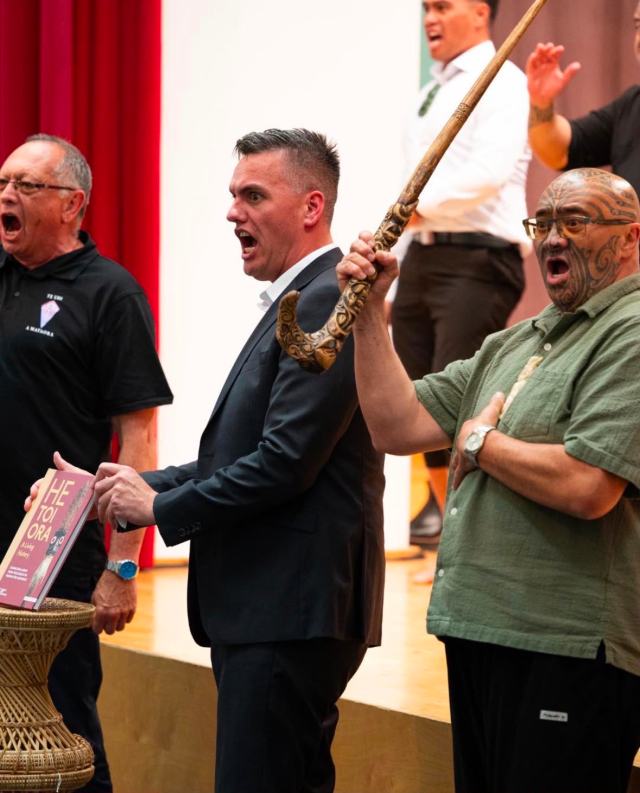
A haka is a Māori composition performed with the whole body — voice, face, hands, feet — by a group moving as one. It is not only a war dance, and it is not only performed before rugby matches.
Haka are performed to welcome visitors, to challenge, to mourn, to celebrate, to mark an occasion, and to say something a speech cannot. The best-known haka in the world, Ka Mate, is not a war dance at all: it is a composition about survival.
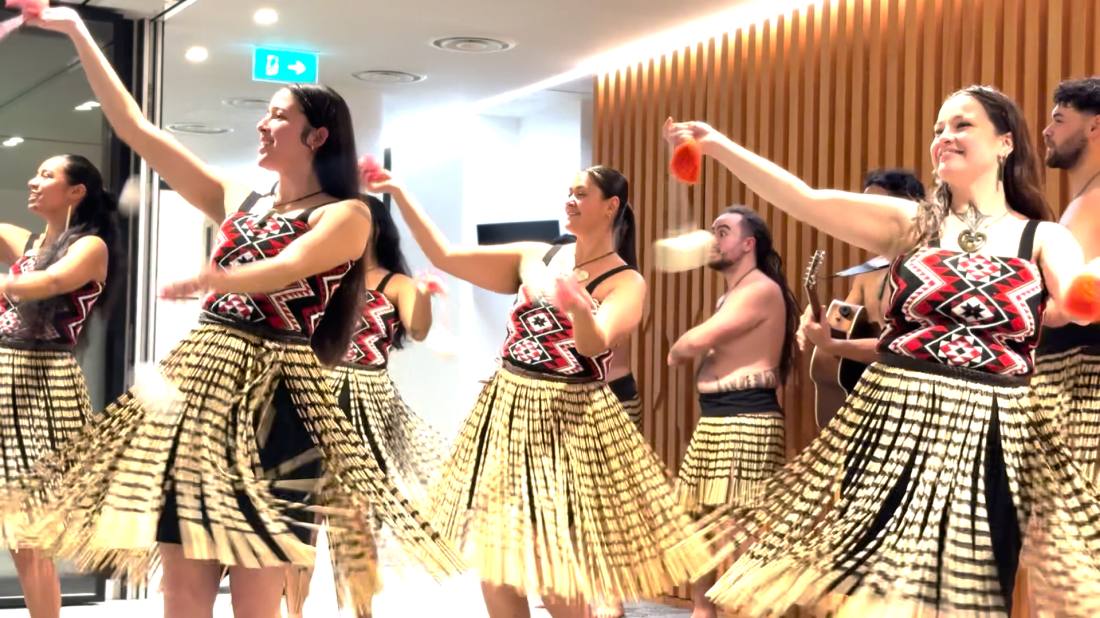
Written by the kaihaka of Haka International — Māori performers based in London who were taught haka from childhood. Last updated September 2026.
Haka and kapa haka — the difference
A haka is a single form. Kapa haka is the wider performing art that contains it: kapa meaning rank or row, haka meaning the dance itself. A kapa haka performance is a sequence of items — waiata (song), poi, mōteatea (chant), waiata-ā-ringa (action song) and haka among them.
So every haka is part of kapa haka, but a kapa haka performance is much more than haka. Groups compete in kapa haka at regional level and, every two years, at Te Matatini — the national championship, and the highest level at which the art is performed anywhere. It is the pinnacle of the art form and is often described as the Olympics of haka: 56 rōpū (performing group) qualify from 13 regional competitions, one of them in Australia, tens of thousands attend, and it is broadcast live across New Zealand and online to Australia and the Pacific.
The types of haka
| Peruperu | A haka performed with weapons and with the consistent leap that is its signature. Historically performed before battle. |
|---|---|
| Ngeri | Short, performed without weapons and without set choreography. Its purpose is to move the performers themselves, to stiffen resolve, and to lay down the quarrel or issue identified. |
| Haka taparahi | A ceremonial haka performed without weapons. This is the most widely seen haka, and the form audiences are most familiar with. |
| Manawa wera | Meaning a burning heart — associated with death and with funerals, though not exclusively. Composed for the occasion and often performed without rehearsal. |
What the movements mean
Pūkana
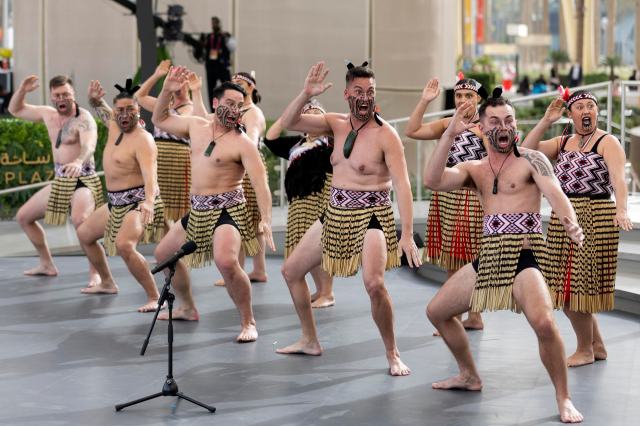
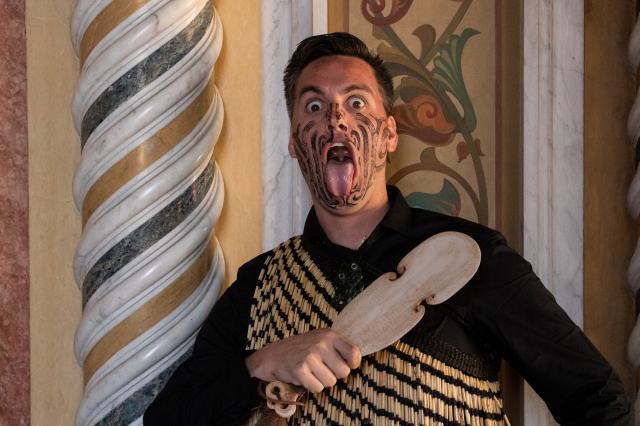
The widening of the eyes. Performed by both men and women, it intensifies the emotion of what is being said — defiance, welcome, grief. It is not aggression for its own sake and it is not a grimace for effect. Done properly it is a deliberate act of focus.
Whētero
The protrusion of the tongue, performed by men. It signals defiance and, historically, was the challenge to an approaching party. Women perform pūkana (the widening of the eyes) rather than whetero (the protruding of the tongue) — this is one of the clearest examples of the gender distinctions that a good tutor will explain rather than gloss over.
Wero
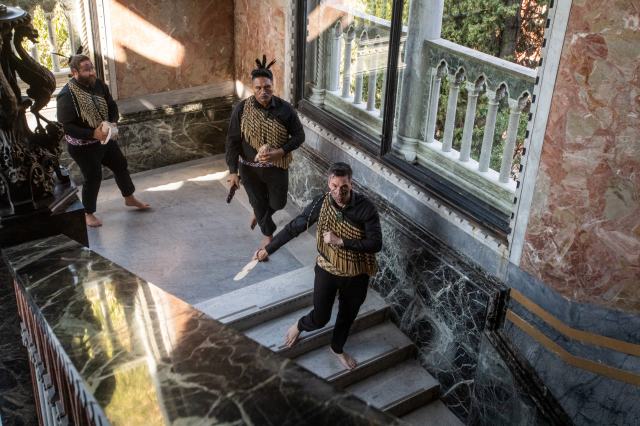
The formal challenge that precedes a welcome. A warrior advances on the visiting party and lays down an offering — whether a piece of greenery or a carved dart. If the visitor picks it up while holding the challenger’s gaze, they have come in peace. The wero is theatre in the truest sense: it is a real test conducted through form.
The stance
Knees bent, weight low, feet planted. The power in a haka comes from the ground through the legs, which is why a haka performed standing upright looks and sounds wrong even to someone who has never seen one before.
Can women perform a haka?
Yes. Women perform haka, lead haka, and compose them. The question is asked often because the haka most people have seen is performed by a men’s rugby team, which is not a representative sample of the art.
There are distinctions within the form — whetero is performed by men, and particular haka belong to particular groups and occasions with their own protocols. But the idea that haka is a men’s art is a misreading produced by television. At Te Matatini you will see women performing haka at the highest level in the country.
Who can perform a haka?
This is the question that matters most, and it has a more precise answer than either side of the usual argument allows.
Non-Māori performing a haka is not automatically wrong. Schools across Aotearoa (New Zealand) perform haka; so do sports teams and workplaces of every make-up. What makes it wrong is doing it badly, doing it without knowing what the words mean, or performing a haka that belongs to a group who have not given it.
Some haka are freely available. Others belong to a specific iwi (tribe), hapū (sub-tribe) or whānau (family) and are not ours or anyone else’s to hand out. Ka Mate is the clearest case: composed by Te Rauparaha, chief of Ngāti Toa Rangatira, it is protected in New Zealand law through the Ngāti Toa Rangatira attribution legislation, which requires that Ngāti Toa be acknowledged as its source. That is a legal recognition of a principle that already existed.
The practical test is simple. Do you know what you are saying? Do you know where it came from? Does the person teaching it have the standing to teach it? If the answer to any of those is no, the problem is not that you are performing a haka — it is that you are performing it without the things that make it a haka.
Where to read further
We would rather point you at the authoritative sources than ask you to take our word for it:
- Te Ara — the Encyclopedia of New Zealand, on haka as posture dance and its forms.
- Te Matatini, the national kapa haka festival and championship.
- Haka Ka Mate Attribution Act 2014, the New Zealand legislation recognising Ngāti Toa Rangatira as the source of Ka Mate.
If you are considering a haka at your event
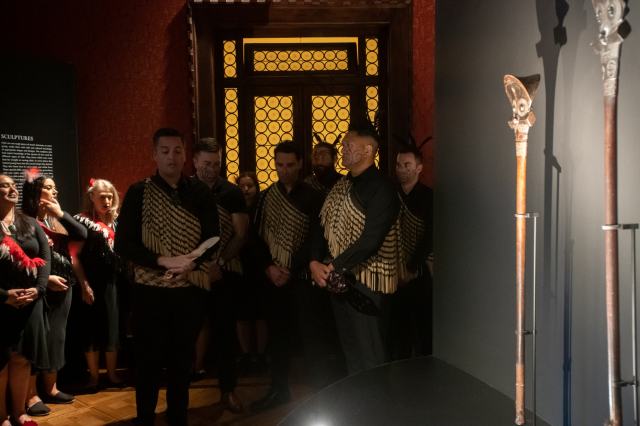
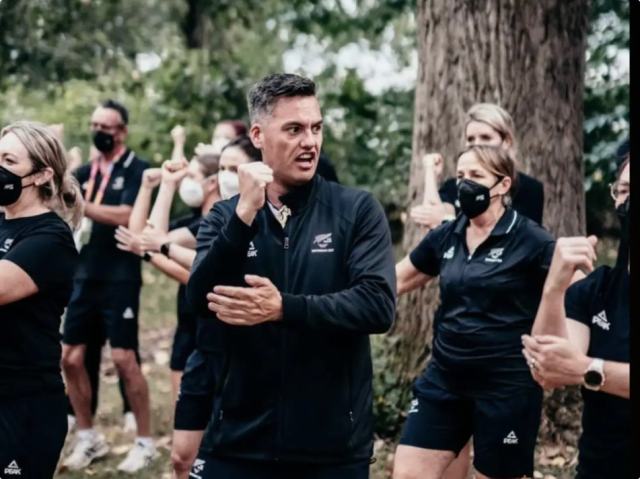
We perform and teach haka in London, across the UK and throughout Europe, and everything we teach comes with its kōrero (the telling — what the words mean and where they come from). If you want to understand what would be appropriate for your occasion, ask us — we will tell you plainly, including when the answer is that we would decline.
Read about our performances, workshops and The Haka WayLeadership, or meet the kaihaka.
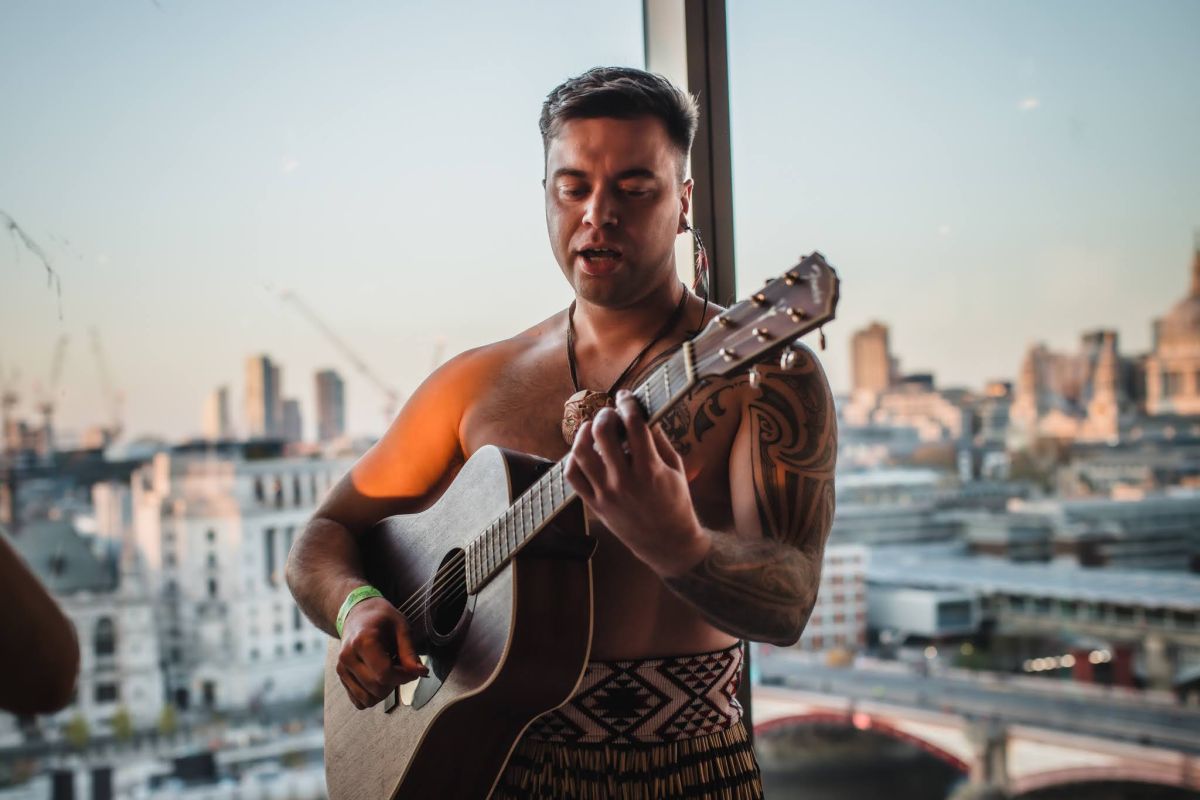
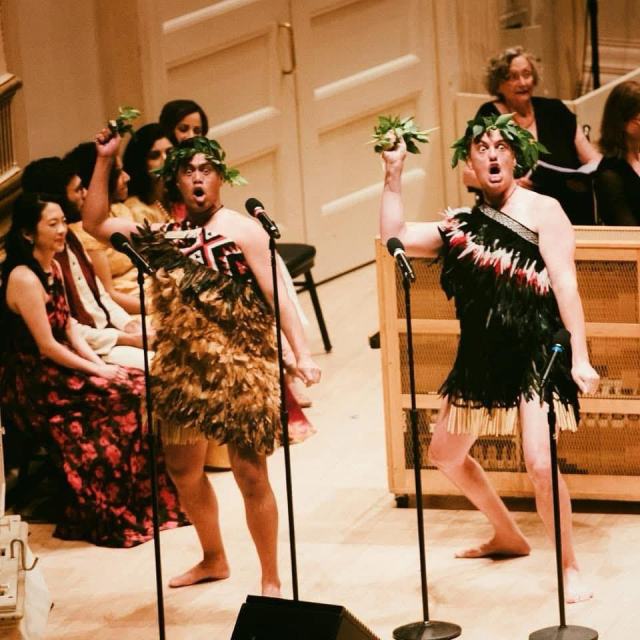
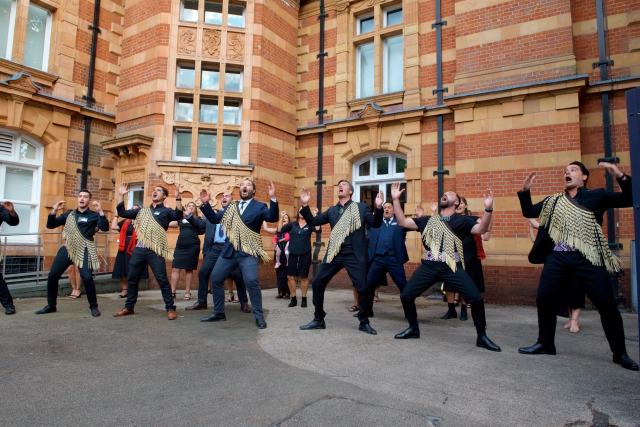
Haka International
Māori kaihaka living in London. Haka performances, workshops and leadership programmes, led and taught by Māori, across the UK, Europe and worldwide.
Haka International is a trading name of Māori Consulting Limited, a company registered in England and Wales, company number 16605852.
 Haka International