Our people
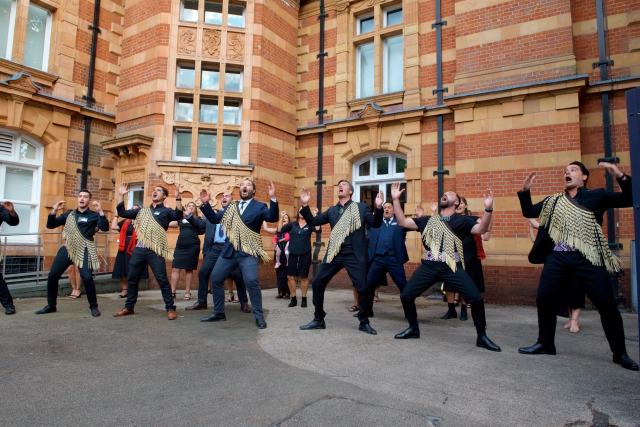
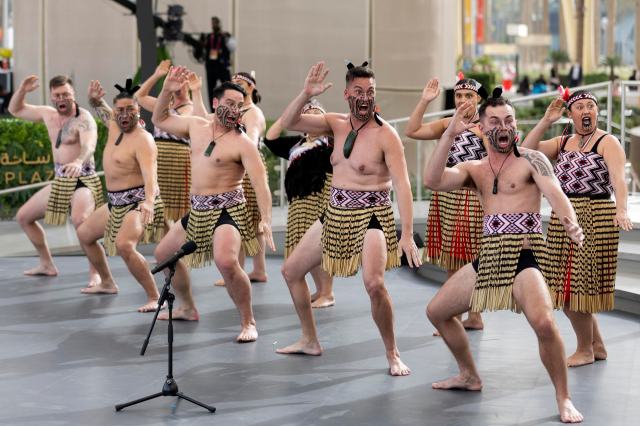
Our kaihaka (haka performers) come from across Aotearoa (New Zealand). They were taught haka from childhood — at home, at school and in their communities, by their respective experts — and several have competed at Te Matatini, the biennial national kapa haka championship and the largest haka competition in the world.
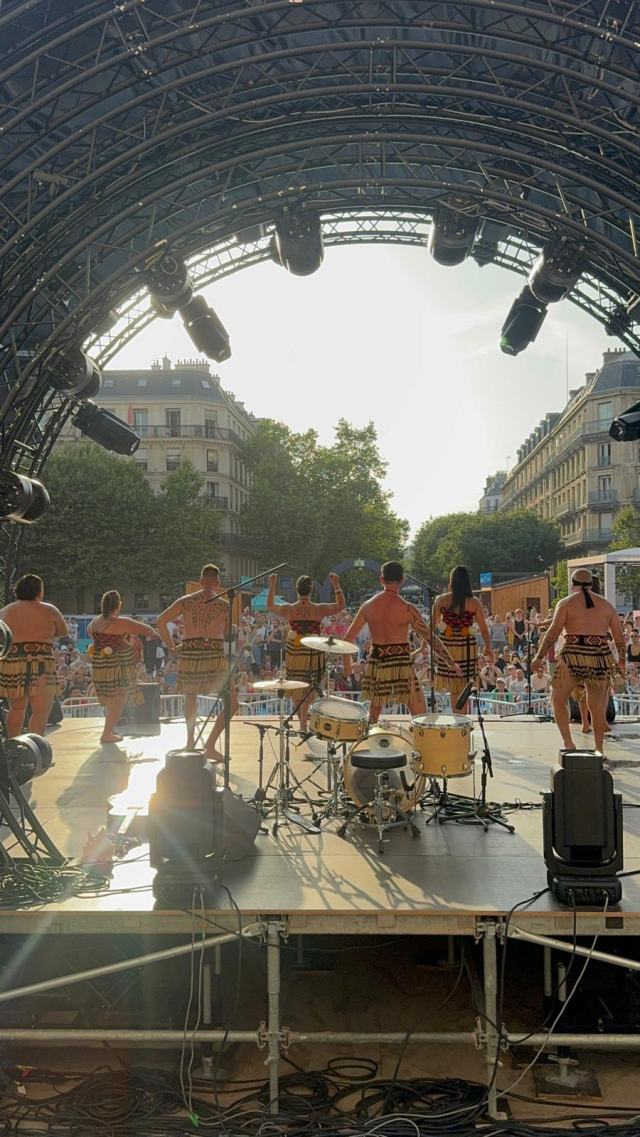
We are based in London and perform across the UK, Europe and worldwide. Everything we deliver is led and taught by Māori.
The people
David Jones
Rongowhakaata · Ngāti Kahungunu
Chief Executive
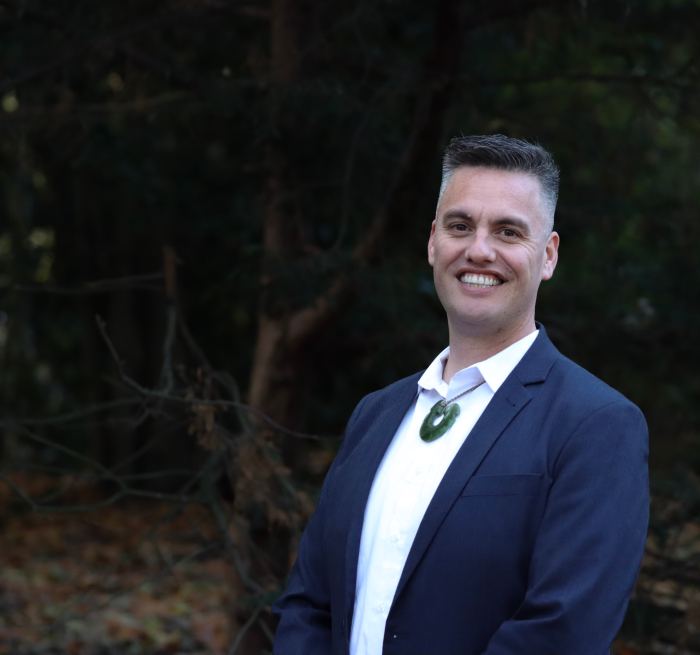
David leads Haka International. He is a Māori haka leader, a lawyer, and a former chief executive, and has acted as legal and cultural adviser to government ministries and corporate entities in New Zealand and abroad, and as an expert in indigenous governance.
He has performed at and composed for Te Matatini — the national kapa haka championship of Aotearoa, held every two years and known as the Olympics of haka, and is a licensed translator — he led haka translation for Te Matatini. David has a unique mix of analytical and creative skills and experience that sit complementary to one another, and allow him to engage from many different perspectives. It is the reason the kōrero (the telling — what the words mean and where they come from) we give alongside a performance is accurate rather than approximate.
Roimata Kautai
Te Arawa
Lead Facilitator
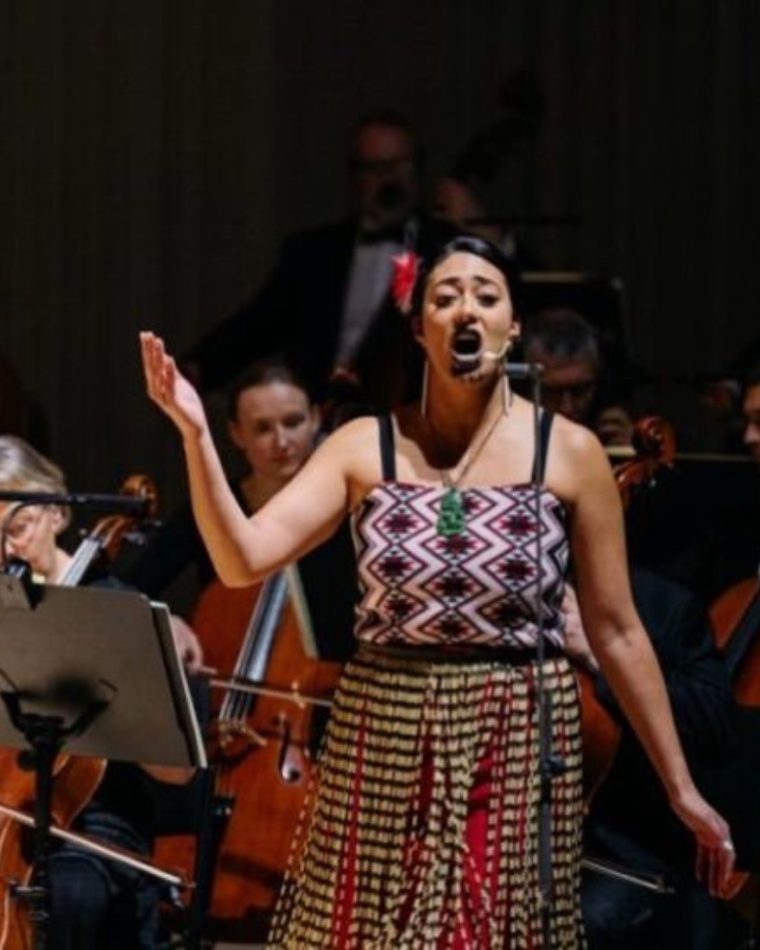
Roimata is a lead facilitator and leads workshops and performances for Haka International. She is a kaihaka who performs with the group, and she is the person who engages, teaches and keeps your team culturally safe during our sessions.
She is also your first point of contact when you enquire, so the person you speak to beforehand is the person who will be standing in front of your team on the day.
Kerira Tapene
Te Rarawa · Ngā Puhi · Ngāti Porou · Ngāti Tūwharetoa · Ngāti Maniapoto
Lead Facilitator
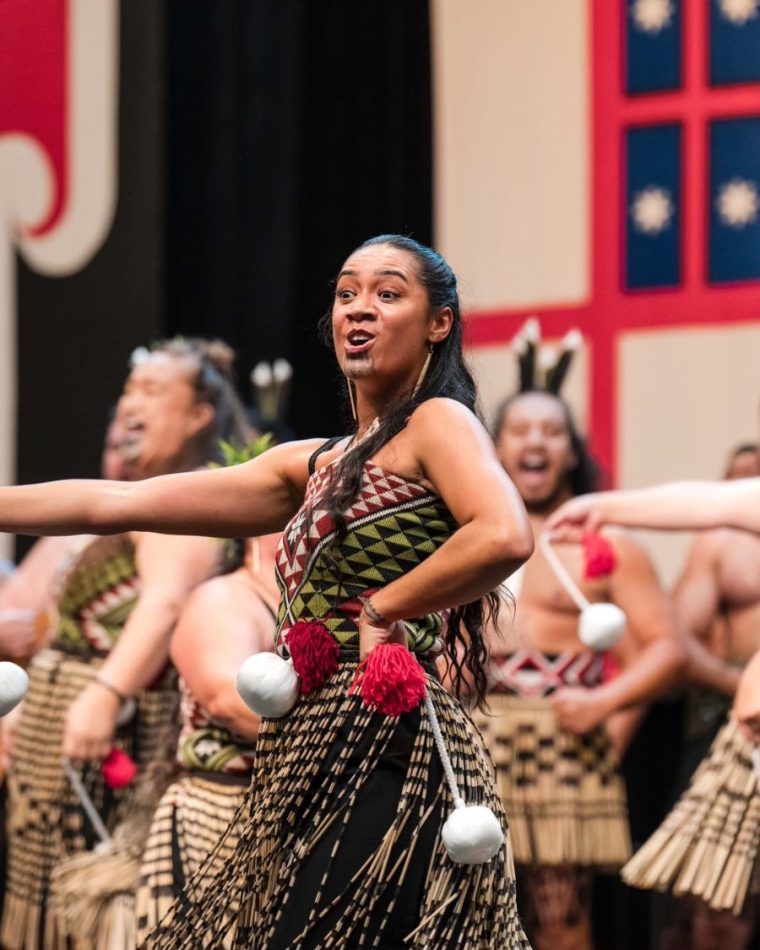
Kerira is a lead facilitator and leads workshops and performances for Haka International. Based in London, Kerira was born into a family who have been part of haka performances, both in New Zealand and around the world, for decades. She is a Te Matatini performer and has competed on behalf of her people of Te Taitokerau in the fiercest haka competitions. She is currently the chair of Ngāti Rānana, the London Māori Club, who meet every Wednesday at New Zealand House in London.
Before coming to London, Kerira worked at Deloitte in New Zealand as a consultant in strategy development, before moving to a Māori strategy development consultancy focussing on engagement, strategy, workplace capability and community development. She is fluent in te reo Māori, and holds a Bachelor of Arts and Commerce with specialties in media, film and television, marketing, commercial law and Māori studies.
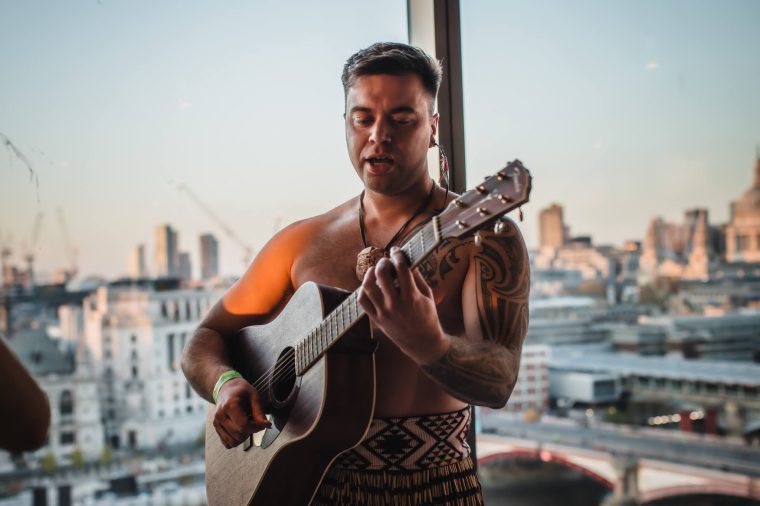
Sam Appleton
Te Whānau-ā-Apanui · Te Whakatōhea · Ngāi Tahu
Facilitator & Performer
Sam facilitates workshops and performs with Haka International in London. Raised in Rotorua, he served in the army and now lives in London, where he has spent five years as a kaihaka, tutor and lead guitarist with Ngāti Rānana. Sam holds a Bachelor’s degree in Applied Sciences majoring in Geographic Information Systems, and has worked with clients on the use of data — its collection, extraction and development through IT systems.
When not doing haka, Sam leads a band called On the Pā, a New Zealand members’ band sharing NZ classic covers. They are working on a solo album.
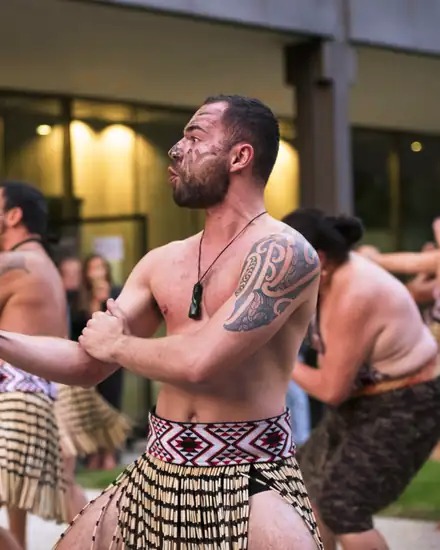
Ben Appleton
Te Whānau-ā-Apanui · Te Whakatōhea · Ngāi Tahu
Facilitator & Performer
Ben is one of our facilitators and kaihaka, and leads workshops and performances for Haka International. Raised in Rotorua, he proudly brings his Māori heritage with him in all that he does. He is a previous chair of Ngāti Rānana, the London Māori Club, a member of the London Kōhanga Reo (full Māori-immersion language nest), and a cultural historian on Māori servicemen. He is also a former New Zealand Army Reservist, serving with the 5th/7th Battalion of the Royal New Zealand Infantry Regiment.
Ben also understands business. He leads his own company, Strat-Bridge, specialising in senior search and team moves for top-tier and specialist consulting firms in Germany, Switzerland and the UK. For over a decade he has been doing this work, and haka, in London and across Europe. Ben holds a Bachelor of Arts degree specialising in History and Political Science.
Our story
Our team of kaihaka have been trained in the teachings of haka from a young age, having grown up with haka at home, in school and in their respective communities. Each of our kaihaka brings their own perspective and experience in haka, grounded in the customs, protocols and mātauranga Māori (Māori knowledge systems) of their respective iwi (tribes).
We have performed and entertained much of our lives, and living in London we have continued that tradition. In London we see another space for the sharing of Māori culture through haka — its principles and values, and its application in leadership settings. Not only can we perform haka, we can engage with leadership teams at executive level and talk about how a Māori understanding of the world can contribute to supporting high-performing teams.
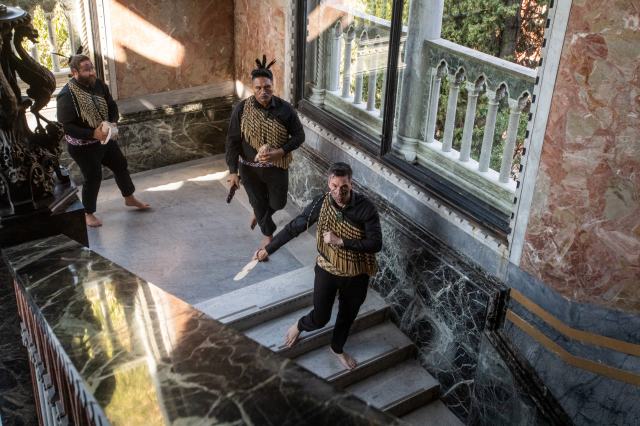
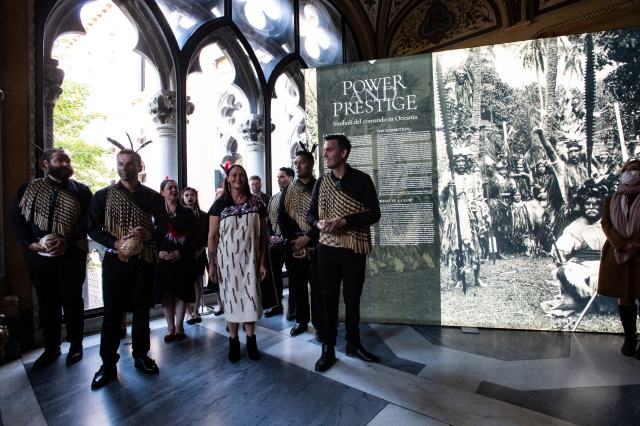
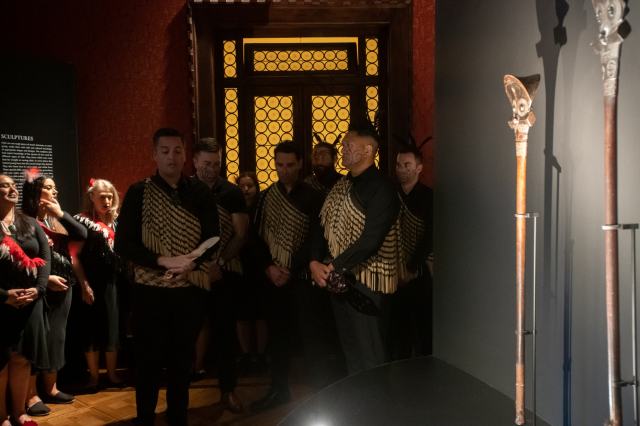
We perform at corporate events, conferences, ceremonies and cultural occasions, and we work with museums and institutions where Māori taonga (treasured objects) are held or exchanged. We also create opportunities for engagement through haka seminars and our executive leadership programme — The Haka Way.
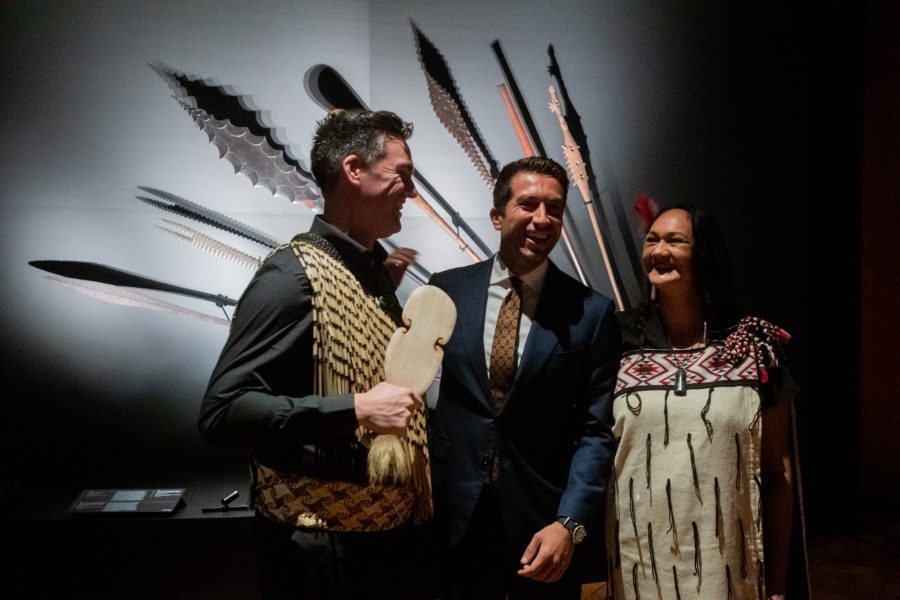
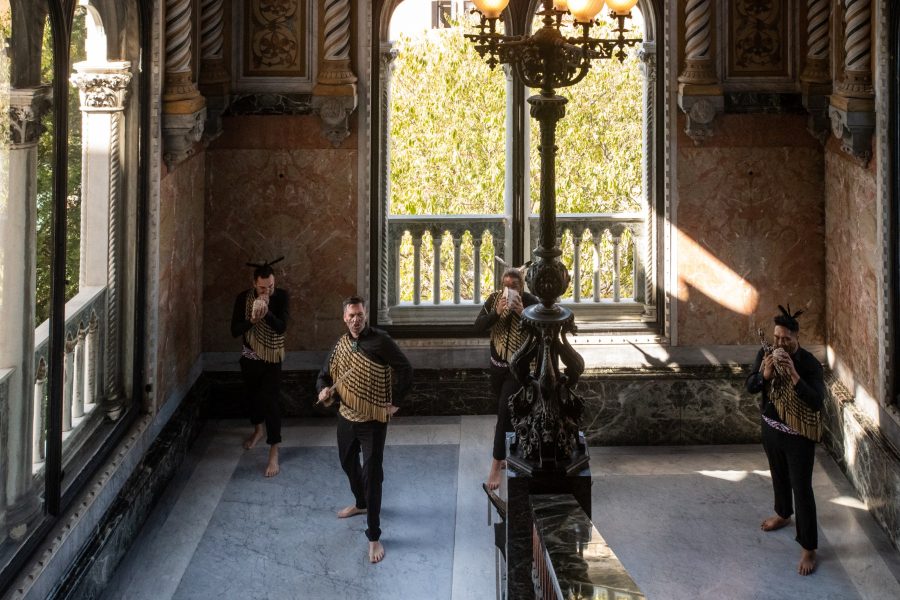
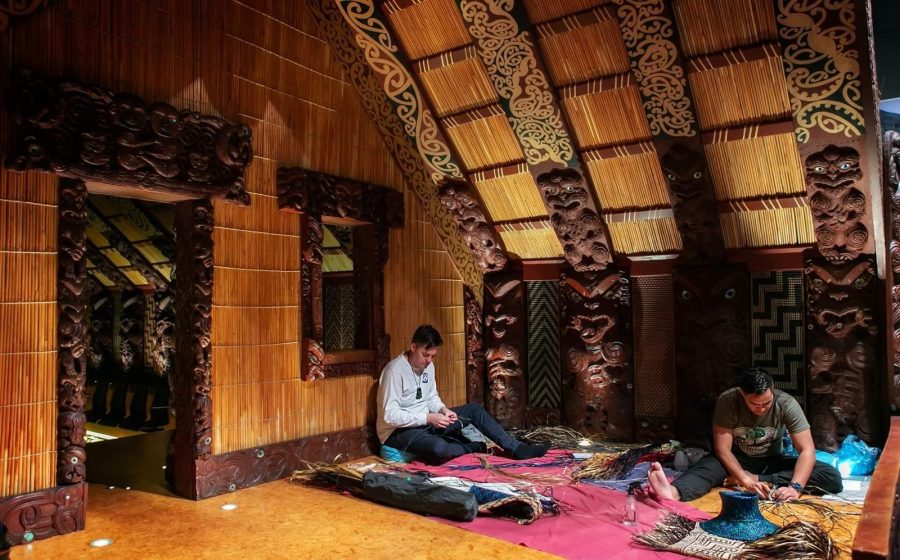
David Jones
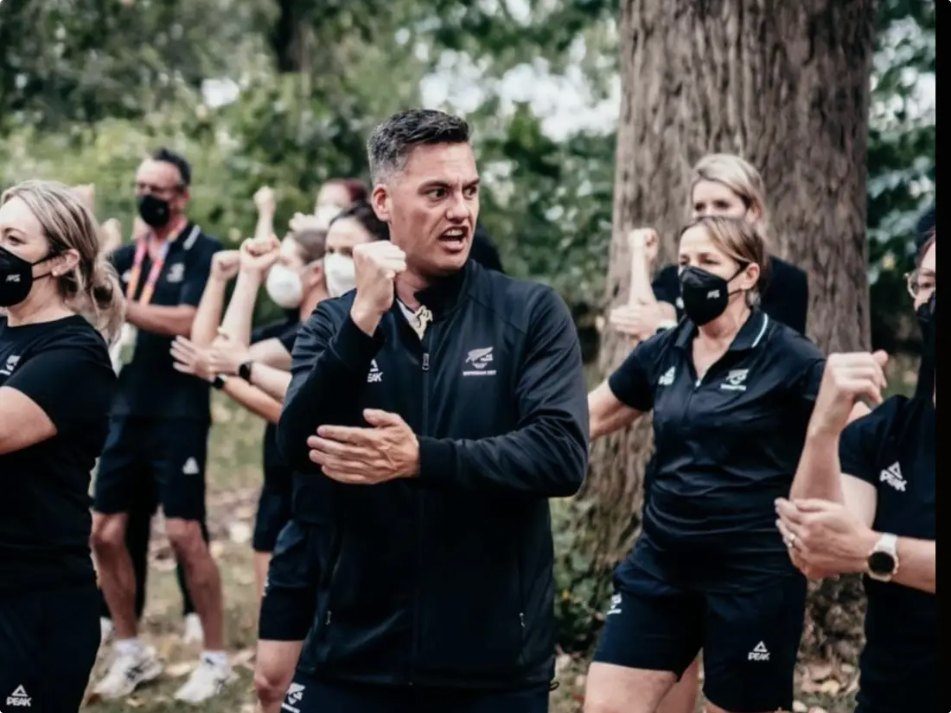
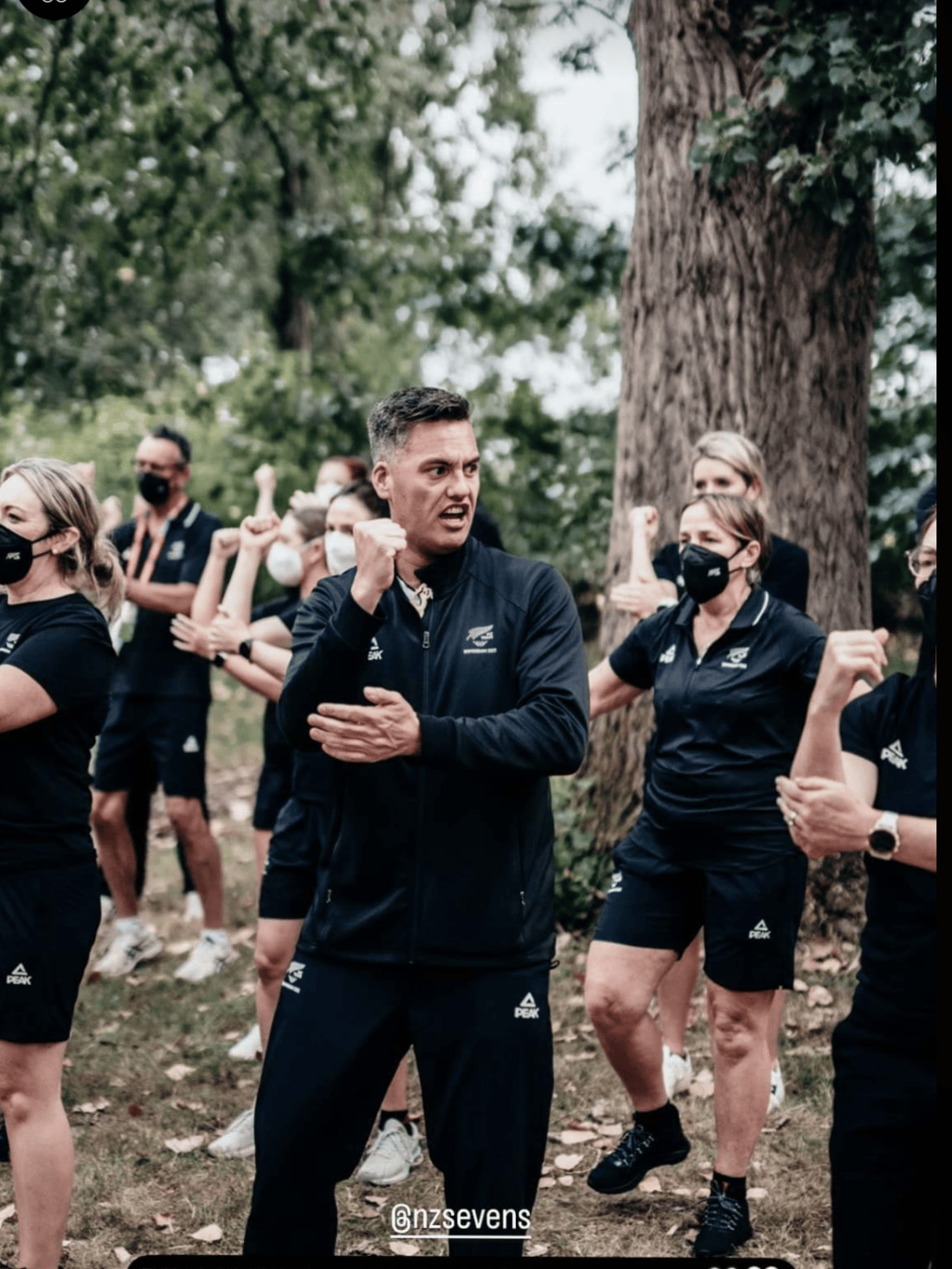
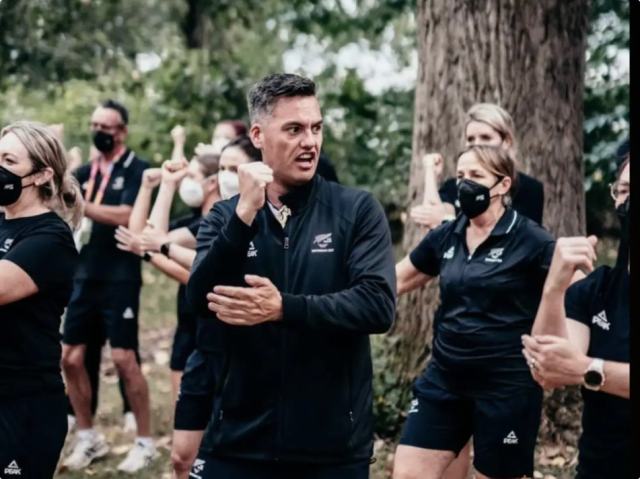
David served as Māori part of the cultural advisory team for the New Zealand team at the 2022 Commonwealth Games, and again for the Olympic team in 2024. Here he is teaching the squad their haka.
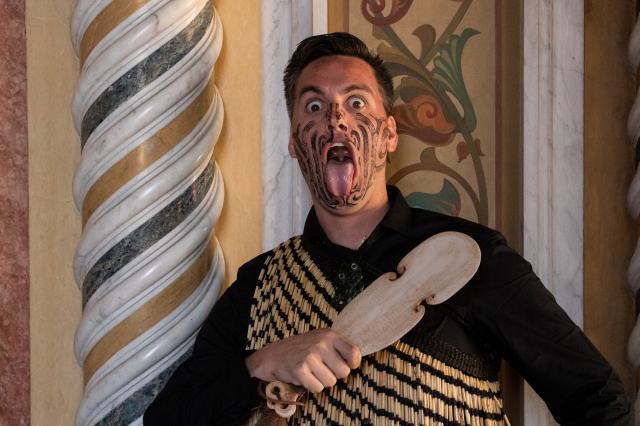
David was raised in te ao Māori in a small village called Manutūkē, on the East Coast of the North Island near Gisborne — sent to kōhanga reo (full Māori-immersion language nests) at six months and brought up at the feet of kaumātua (tribal elders). He has been a speaker for his iwi (tribe) on the marae (the communal meeting grounds of a Māori community) since he was fourteen, and continues to speak at ceremonial events.
He is a first-language speaker of te reo Māori and a registered translator in both written and spoken form. He was one of five jurilinguists who led quality assurance on the te reo Māori translation of the Māori Language Act 2016, and he currently supports Victoria University of Wellington in integrating tikanga (Māori custom and protocol) across its entire law degree.
Haka
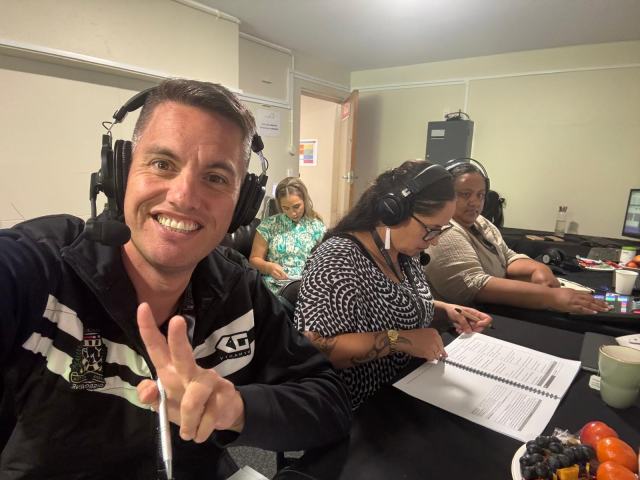
Raised in haka from primary school onward. A performer and composer at Te Matatini — the national championship and the pinnacle of kapa haka, the Olympics of haka — tutor of the Tūranga Wāhine Tūranga Tāne kapa haka, and lead anchor for Te Matatini’s live haka translation across the last three national competitions — translating haka simultaneously, on air.
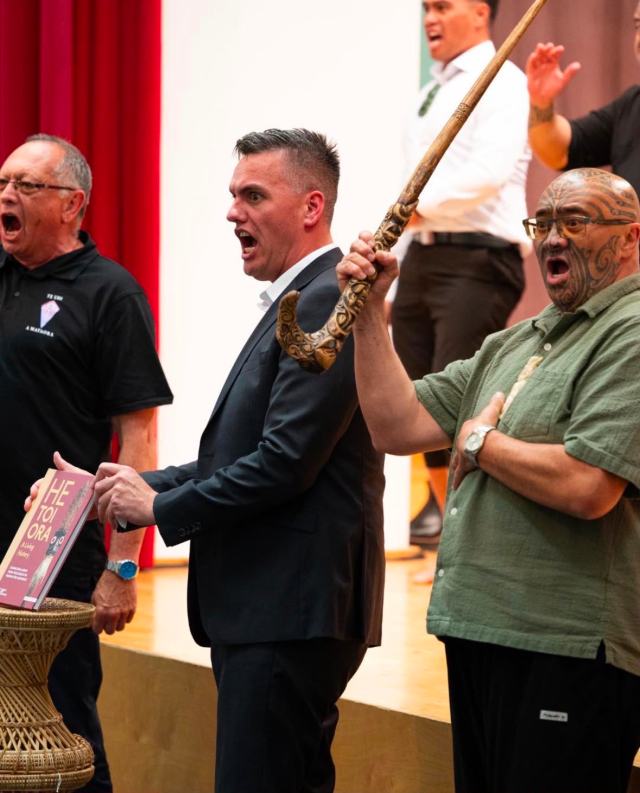
He co-authored He Tau Makuru: 50 Years of Te Matatini Kapa Haka Festival and reviewed Ngā Tatangi o Te Whare Karioi, the Te Matatini nationals book of songs.
Law
A Master’s in Law with Merit from Victoria University of Wellington, with a thesis on post-settlement governance entities (trust entities receiving settlement redress from the government). Four years post-qualification as an associate at Kensington Swan in Treaty settlement work — multi-party negotiations, drafting sui generis legislation, and building the commercial structures that receive iwi settlement assets. He currently works as a contract lawyer for a New Zealand law firm.
Leading an organisation
Inaugural Chief Executive of Hineuru Iwi Trust, built from the ground up to receive and hold NZ$50 million in cash, property and forestry assets. He wrote and implemented its strategy — Ka tupu, ka ora, ka rea — and grew the assets to NZ$60 million within two years, before moving to Commercial Manager to lead economic development for the iwi.
Television and digital production
21 years in television and communications at Māori Television — news reporting on Te Kaea, directing and producing, and anchoring the 2020 election coverage: eight live debates, including the first televised political debate held entirely in te reo Māori, and the election-night special.
Director and producer of Te Whare Kōrero o Rongowhakaata, a ten-part te reo Māori series, and lead presenter for the Waka Ama national competitions. Director and producer of the digital content for the Kō Rongowhakaata exhibition in 2017.
Museums and cultural institutions
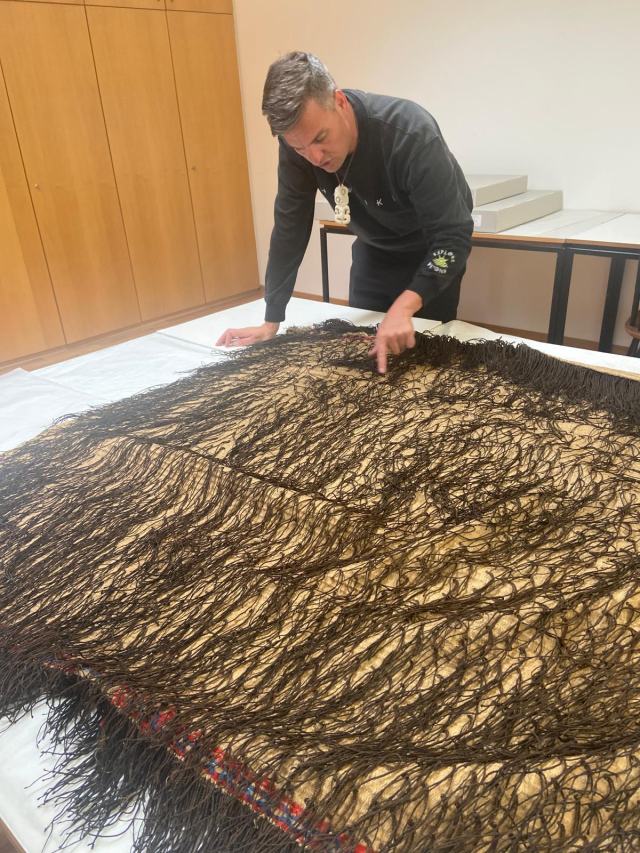
Digital creator and curator for the Kō Rongowhakaata exhibition at Te Papa Tongarewa — the first exhibition there with more than 60% digital content, most of which he made.
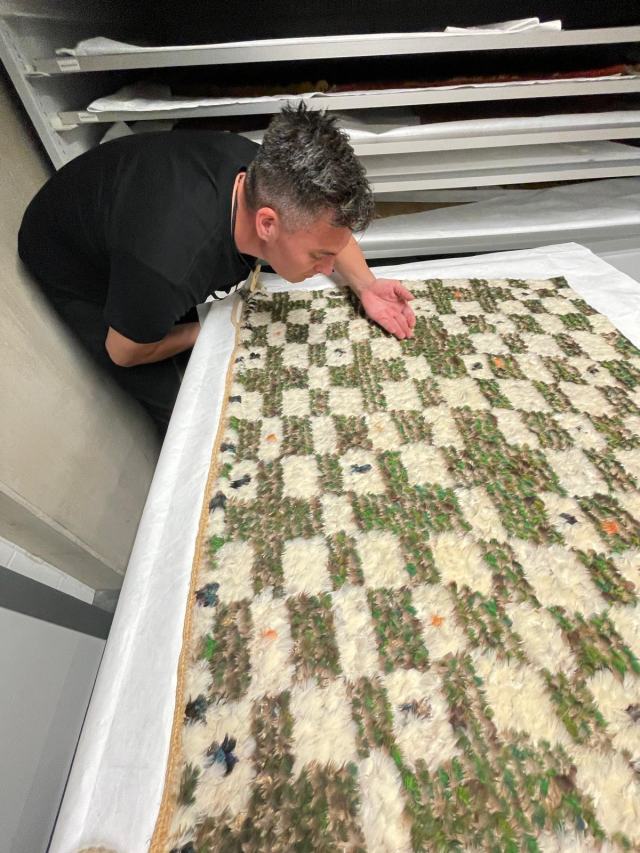
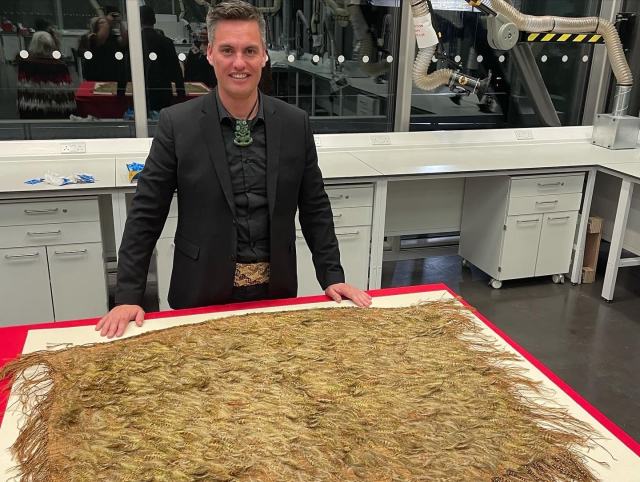
Lead curator of Ngā Mata a Maruwhakatipua at Te Pāhou Marae, and co-curator of the He Toi Ora exhibition at the Museum Fünf Kontinente (Five Continents Museum) in Munich, Germany, in 2025.
Cultural advisory
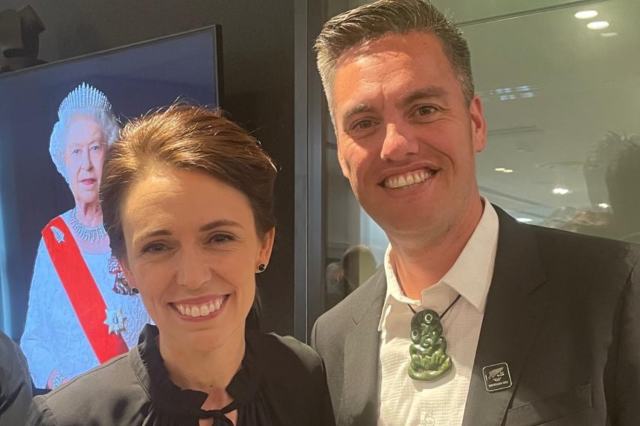
Part of the cultural advisory team for the New Zealand Olympic Team at the 2022 Commonwealth Games and the 2024 Olympic Games. He led Te Mana Tū to Sharjah Cultural Week in 2018, is lead cultural advisor for Ngāti Rānana London Māori Club, advises on many events across London and Europe, and advises New Zealand government and non-government bodies on tikanga, engagement, and responsibilities.
Performing abroad
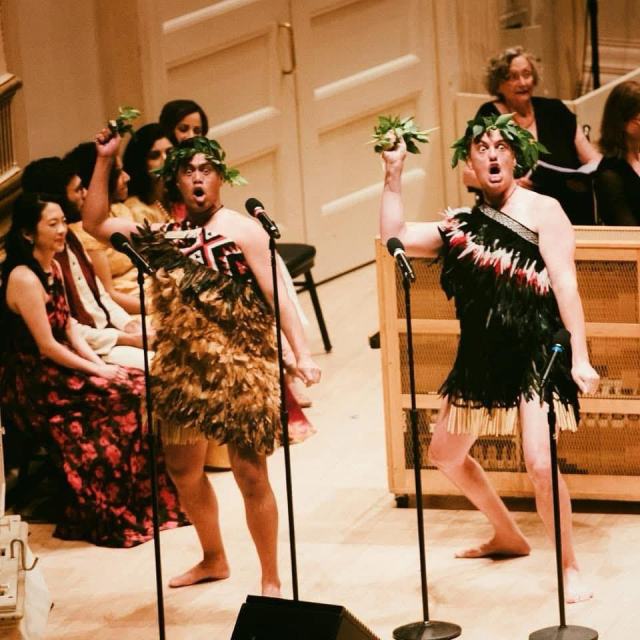
Kaihaka at Carnegie Hall for Christopher Tin’s Kia Hora Te Marino, from the Grammy-winning Calling All Dawns. Cultural Ambassador at the New Zealand High Commission in Johannesburg — Matariki 2021, performer and kaikarakia (cultural lead) at the opening of the Oceania exhibition in London, and at the Llangollen International Eisteddfod. He has performed in Chicago, Tokyo and London, leading haka and haka seminars.
Our logo, and what it carries
Designed by Maia Gibbs, the mark depicts the bird — the messenger who keeps us safe and protected as we travel the world. The designs and motifs are drawn from traditional Māori motifs, and are a reminder of our home, the land, and the Māori culture that we represent in this work.
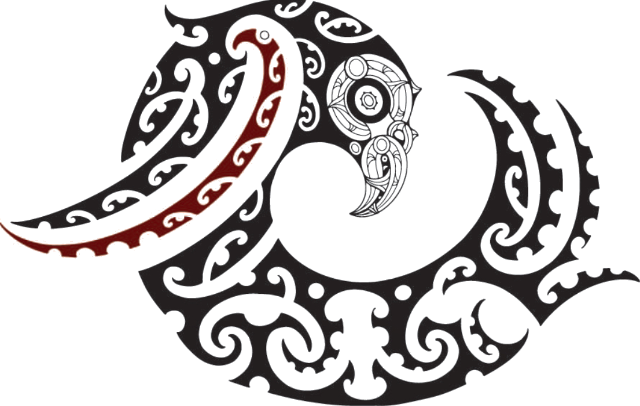
The beak
The dominant form is a bird’s beak. In te ao Māori the manu is the messenger — the one that carries word between places, and between this world and the next. Birds were life — a food source, a companion, a messenger. That is what we do. We bring haka and Māori culture to this part of the world.
The bird speaks to the whakataukī (proverb):
Ko te manu e kai ana i te miro, nōnā te ngahere.
Ko te manu e kai ana i te mātauranga, nōnā te ao.
The bird that feeds on the miro berry, the forest is theirs. The bird that feeds on knowledge, the world is theirs.
WhakataukīIt is a saying about the pursuit of knowledge. Feed on what is in front of you and you will have the forest. Feed on knowledge and there is no limit to where you will go. For a Māori company working out of London, performing across Europe and beyond, we live this whakataukī in sharing Māori culture with you.
The hei matau
Look again and the same shape is a hei matau — the fish hook. It stands for strength, for prosperity, and for safe passage over water. It is worn by people who travel, and it is given to people who are going far from home.
We are a Māori company in London — a long way from home. Every job we do involves crossing water, and this design reminds us of our continued pursuit of prosperity in this part of the world. That the hook and the beak are the same line, read two ways, is the point of the design rather than a coincidence of it.
The koru
Filling both forms, and covering the whole of it, are koru — the unfurling frond of the fern. Koru is growth and rejuvenation: the new shoot that is already curled inside the old one, opening outward. It is the reason the design never resolves into a single closed shape. Something is always still opening.
Taken together: a messenger that carries knowledge, a hook for safe passage, and growth running through all of it. That is what the work is meant to say, so it is what the mark carries.
Who teaches, and under whose authority
This is the question asked most often by people who take haka seriously, and it deserves a direct answer rather than a claim of authenticity.
Haka is taught only by Māori who were themselves taught it — in their own communities, by their own people, experts in their own regard, over years.
Some haka belong to a particular iwi, hapū (sub-tribe) or whānau (family), and they are not ours to pass on. Where that is the case we will tell you so, and we will not quietly substitute something else and hope you do not notice the difference.
A haka performed with the right energy and the wrong words is not a compromise; it is simply wrong, and it is the single most common failing in this market. We set out the fuller answer in our guide to what a haka is and who can perform one.
Where our people have performed
Selected venues and occasions our people have performed at:
- Buckingham Palace
- Westminster Abbey
- Carnegie Hall
- The British Museum
- Twickenham
- The New Zealand High Commission
- Adidas HQ
- Five Continents Museum, Munich
- Maritime Museum, London
- Australia House, London
- Sharjah Heritage, UAE
- Te Matatini, Aotearoa
- Oxford museums
Our kaihaka have worked with New Zealand Rugby, the New Zealand Olympic Committee, Adidas, the BBC Singers and Christopher Tin.
Get in touch
Whether it is a performance, a workshop or a longer programme, tell us what the occasion is and we will tell you what we would do with it.
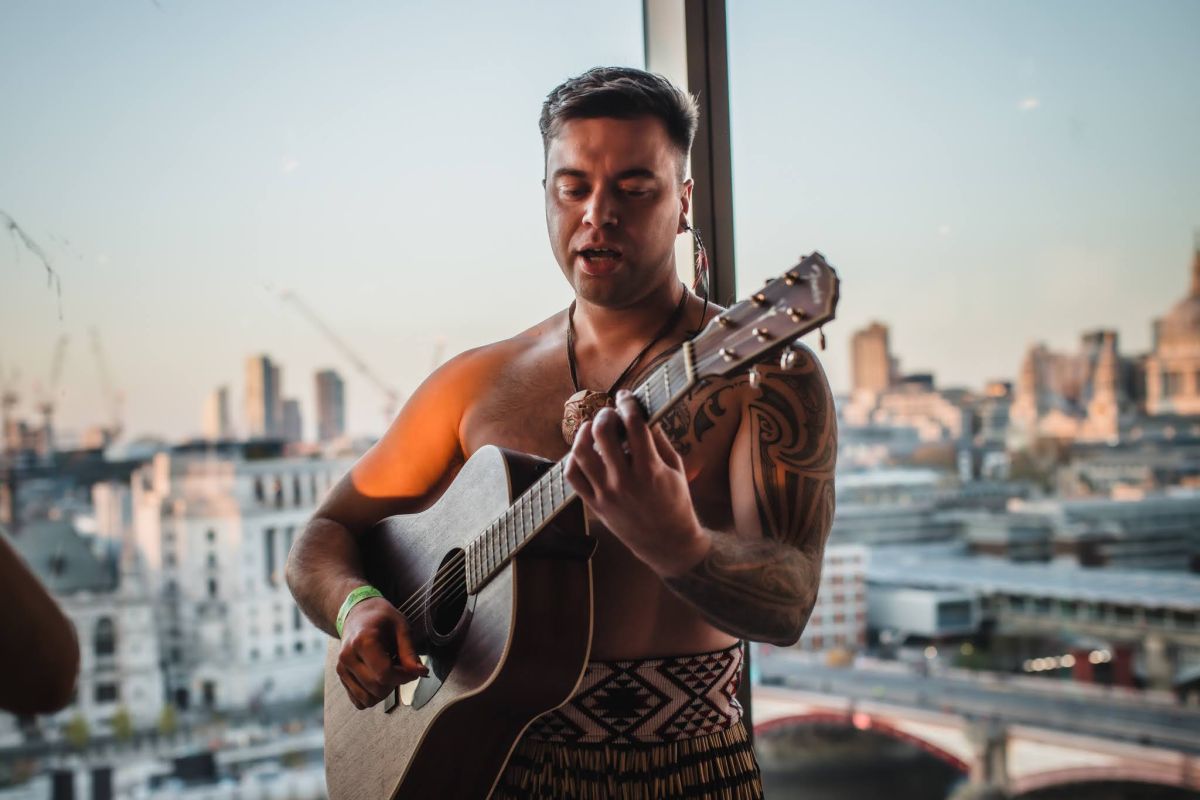
Haka International
Māori kaihaka living in London. Haka performances, workshops and leadership programmes, led and taught by Māori, across the UK, Europe and worldwide.
Haka International is a trading name of Māori Consulting Limited, a company registered in England and Wales, company number 16605852.
 Haka International