The Haka Way
Te Ara o te Haka
A leadership programme for executive and operations teams, built on the principles and values of haka: shared purpose, disciplined preparation, courage on display, and complete alignment under pressure.
This programme unpacks the haka — its power, prestige and energy; the thing that you see and feel when witnessing a haka, but cannot name.
It delves into personal authority and impact: leadership, presence, cadence, and the way a group of people carry one intention between them.
Delivered as a half day, a full day or a multi-session programme, shaped with you, in London and worldwide.
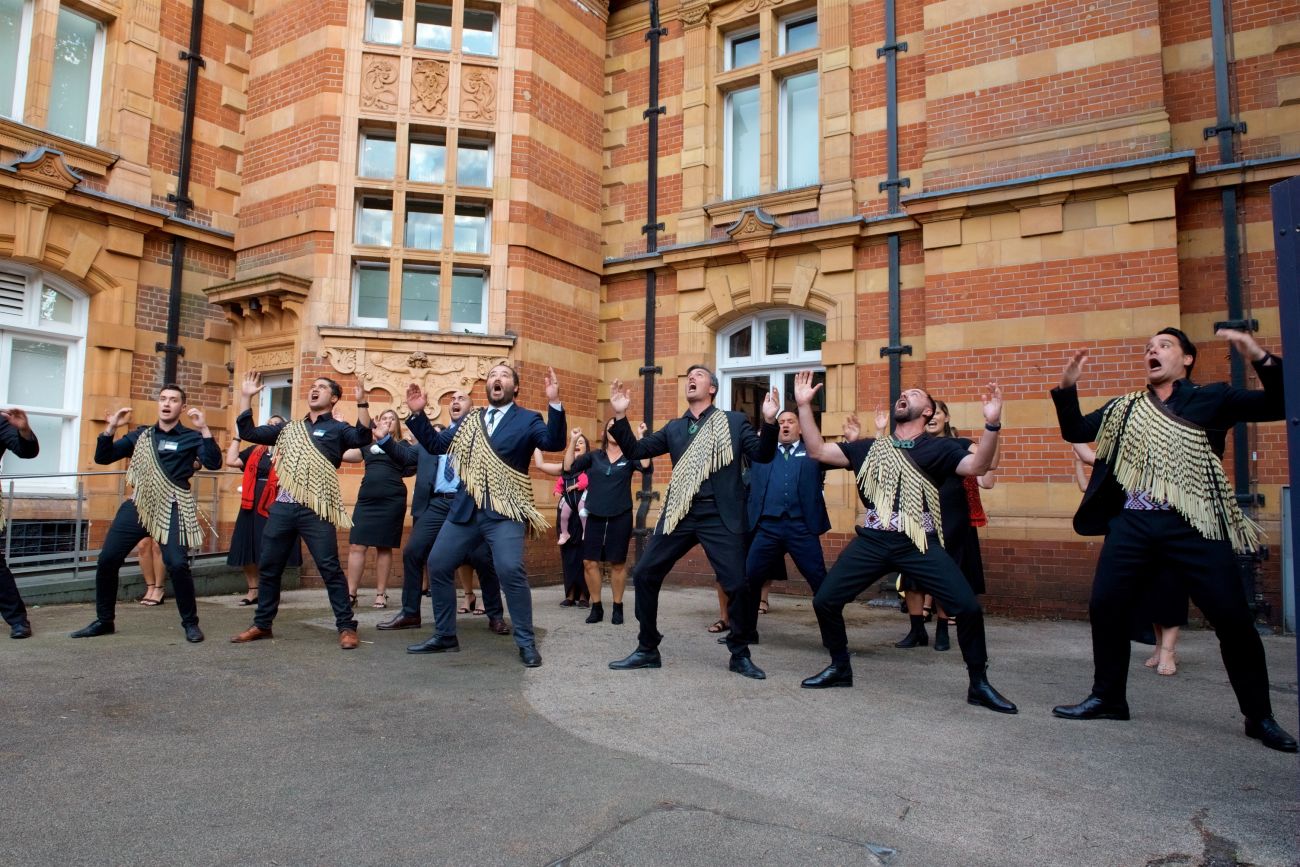
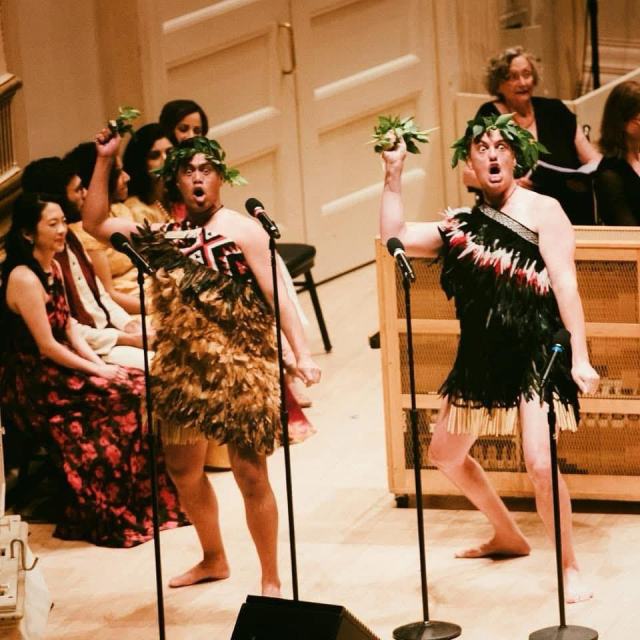
Haka is one mechanism used by Māori to move a team’s state of mind, to bring cohesion, clarity and purpose in high-pressure environments. Haka was used before battle – at times where individuals and collectives were on the precipice of life and death – and inspired many into the heat of combat. But haka is also used in ceremony, in the expression of emotion – joy, grief, pride, anger, frustration – and is held with great reverence.
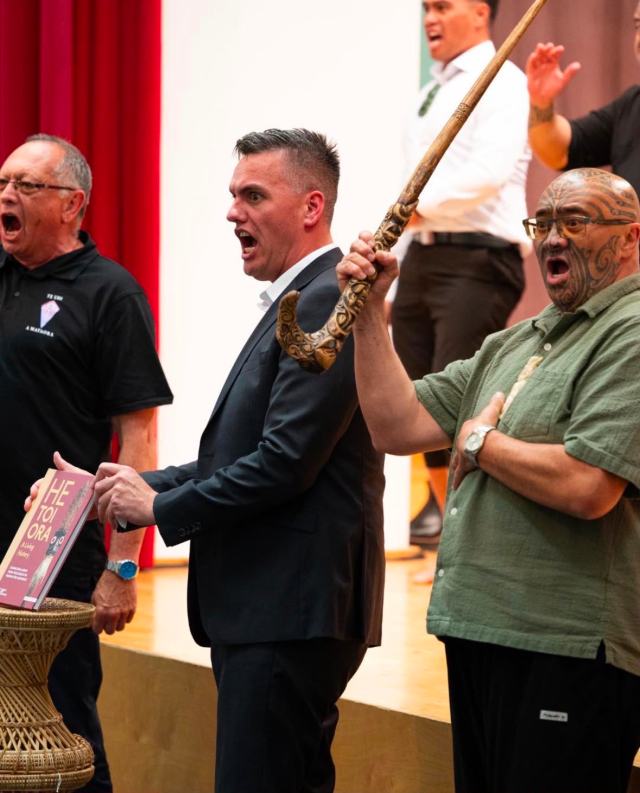
What someone experiences of the haka happens as a result of work completed before the day. People learn the haka, understand their role in it and their connection to it. Whether prepared beforehand or an impromptu haka, the leader of a haka calls the challenge, and the team return the call.
The performance of the haka culminates as an expression of strength and unity realised in part because of the team’s work in heralding the call, and because of the conviction of the leader in standing in strength, in voice, cadence and intention.
This programme does not teach you to do the haka. It looks beyond what you see, and asks: what is it about haka that moves and inspires people, and how do I take that essence and apply those frameworks and thinking to my own high-performing team? How do you build, develop and lead a team effectively using the principles, teachings and values found in haka?
The Framework
Four principles, in leadership terms
The programme works through four Māori concepts. Each one is an opportunity to assess, reflect and consider how your team is operating under your leadership.
Wero
the challengeA haka is a form of challenge. You are asked to meet it head on, to take it up, and to be part of the team accepting its challenge. In its original context the wero is how a visitor’s intent is tested; it is the threshold you cross before anything else happens.
For a leadership team the question is twofold: whether the challenge in front of you has been laid down plainly enough for anyone to answer it, and whether your people have chosen to heed its call and take it up. This looks to clear objectives, shared purpose and ownership. The challenge also looks to individual leadership. It is a conversation between the leader and the team. Will your team hear the call and stand with you? This part takes courage, and looks to what preparation was done beforehand to get the team ready to heed the call.
Kotahitanga
unityKotahitanga is unity of thought, purpose and intention. In a haka it is seen in its physical expression: everyone holding the same beat, a single heartbeat heard through the collective takahi (the stamp of the foot), and one collective voice.
A team either has that or it does not. Most organisations measure alignment by asking people whether they feel aligned. This version looks at key indicators and asks what has been developed and prepared behind this to get unity of thought. Alignment is as much about being prepared as it is about believing in shared purpose.
Mana
prestige and prideMana is influence, authority, prestige and effectiveness. Strength in a haka comes from your voice and your presence — how you stand, and how you deliver. Hā is your breath, linked to your infinite self. Kā is to ignite that breath.
Every person has their own authority and prestige, and they bring it into the room with them. The question for a leadership team is whether the way you work lets people use it, or quietly asks them to leave it at the door. It also looks to how values are lived in the workplace, or whether they are being paid lip service.
Whakapapa
history and legacyWhakapapa is the term for genealogy, but its literal meaning is to lay a flat surface upon another. It recognises that we are a link in a chain that goes back generations and continues forward. Like the layers of the earth, we are the next iteration of our ancestors and the platform for our descendants.
Does your team know the history of what it has inherited, and where it sits in that line? While haka is a Māori expression grounded in custom and history, the ability to draw on your own inner strength and work toward a shared purpose is universal. This asks you to understand a little more about the people who are part of the team. What and who do they bring with them? How can this strengthen your team and build the legacy of your entity?
What sits behind it
These four principles are the entry point, not the whole body of work. Behind them sit deeper Māori frameworks that we are developing for this setting — pepeha (the way a person states who they are and where they are from), which governs identity and how people bring themselves into a room; pōhiri (the formal process of welcome onto a marae), a process of engagement applied to decision making and hard conversations; and tikanga (Māori custom and protocol), principles of engagement in governance that guide how relationships are maintained in ever changing dynamics.
These concepts may be touched on in The Haka Way. We are happy to discuss them as deeper dive reviews and engagements.
Who we partner with
It is for
- Executive and senior leadership teams working on how they show up collectively, and how considered leadership can support this.
- Teams going through a merger, a restructure or a change of leadership, where alignment has to be rebuilt rather than assumed.
- Operations and front-line leadership groups whose work depends on precision under pressure.
Format
We can provide half-day, full-day and multi-day engagements. We will work with you and your team to understand the needs and deliver to a format that is suitable for those in attendance.
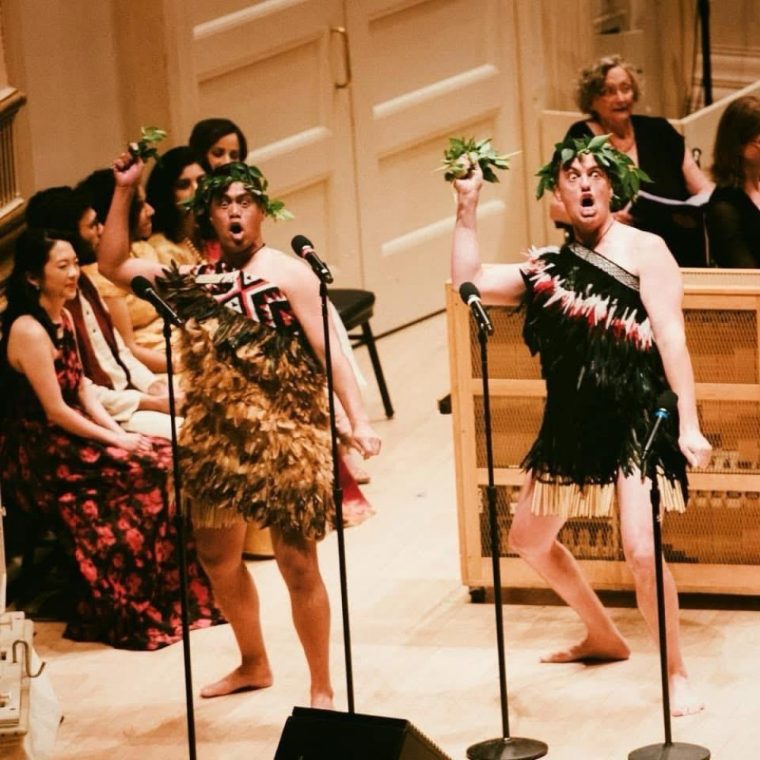
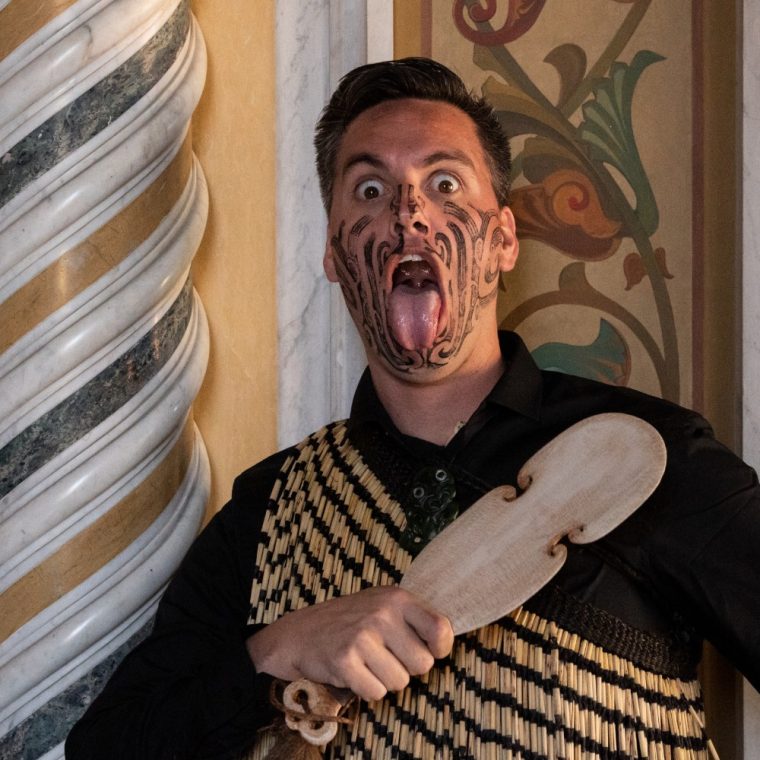
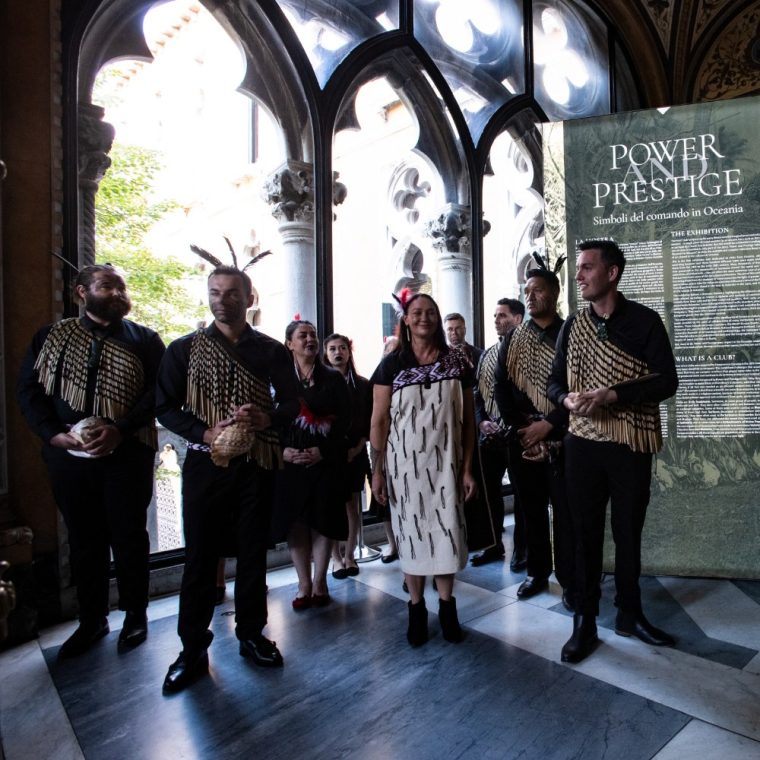
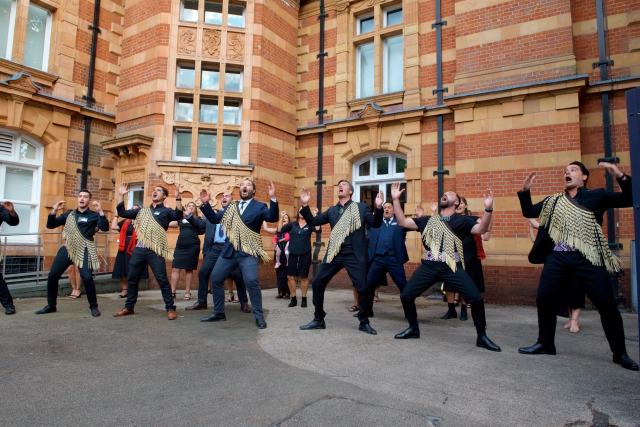
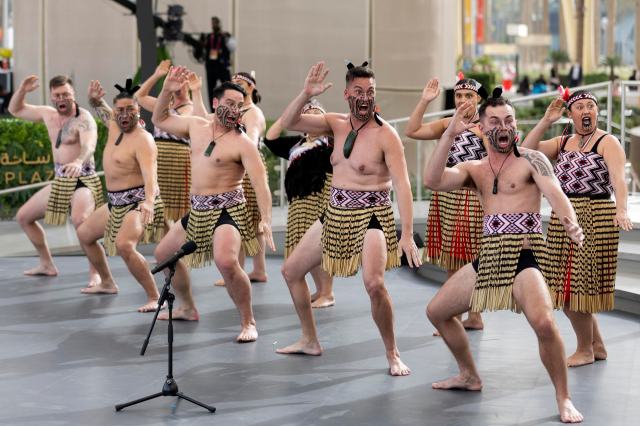
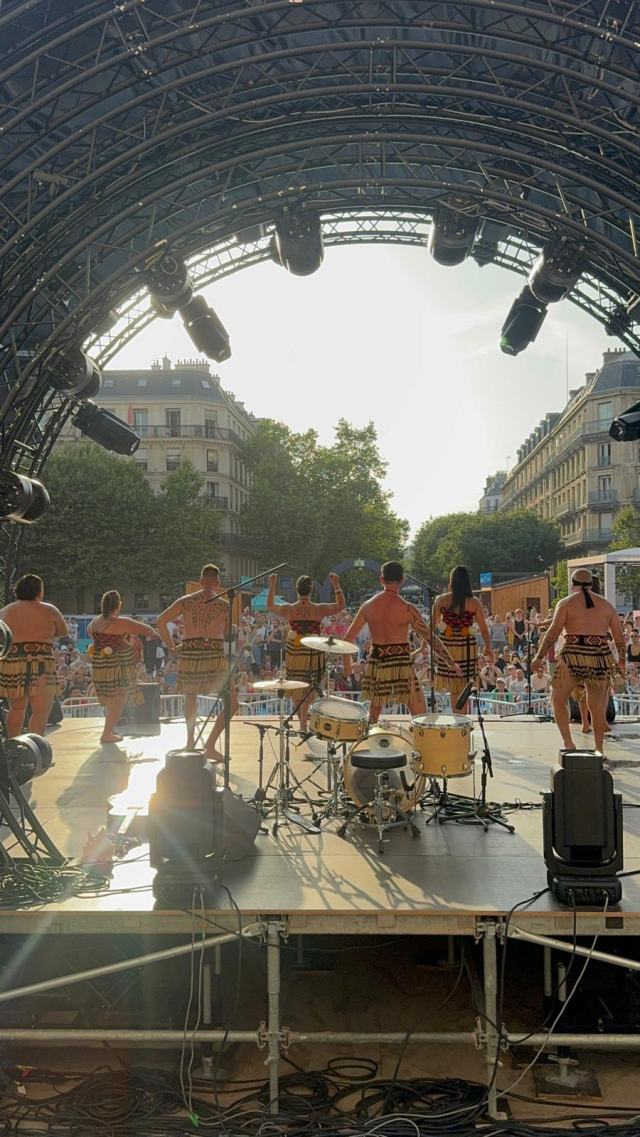
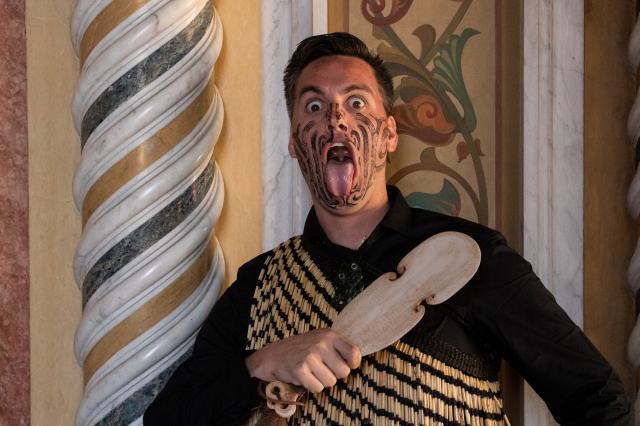
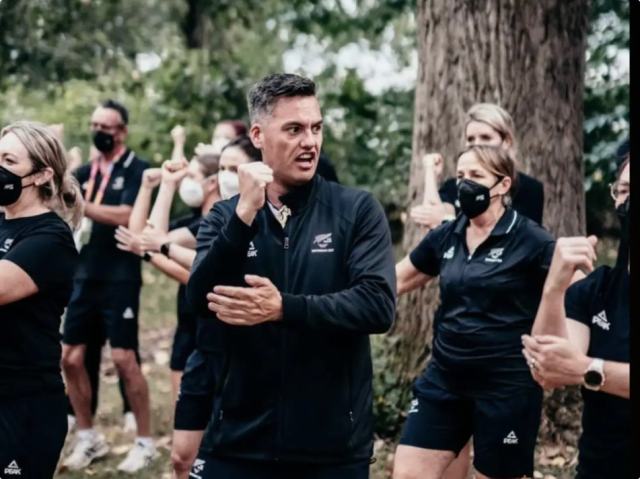
While participants will not learn the haka, our kaihaka (haka performers) will be part of the session to show, live, how haka works and how these principles operate. Every principle is taught with its kōrero (the telling — insights, histories and examples). Give us a call to discuss how we might undertake these sessions for you or your leadership team.
Start with a conversation
Tell us about the team, what is changing, and what you want to be different afterwards. We will tell you honestly whether this is the right thing for it.

Haka International
Māori kaihaka living in London. Haka performances, workshops and leadership programmes, led and taught by Māori, across the UK, Europe and worldwide.
Haka International is a trading name of Māori Consulting Limited, a company registered in England and Wales, company number 16605852.
 Haka International