Haka workshops and conference energisers
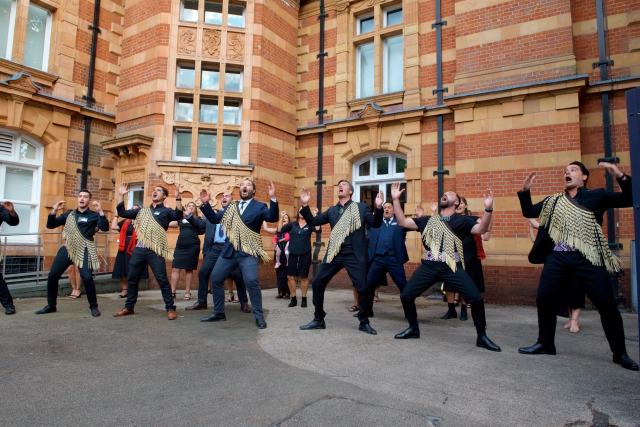
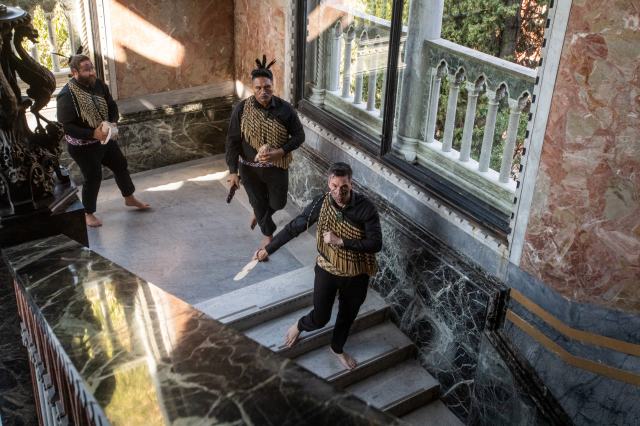
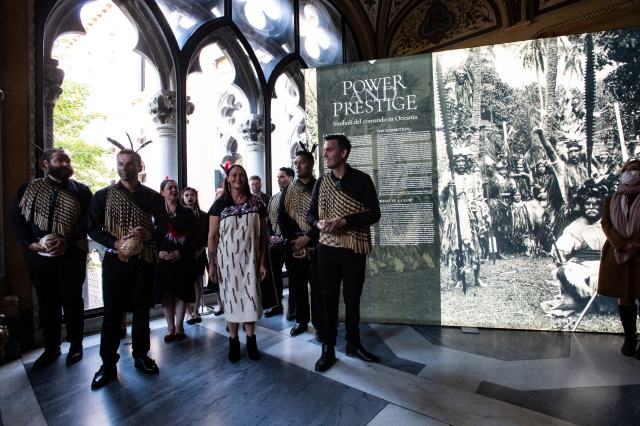
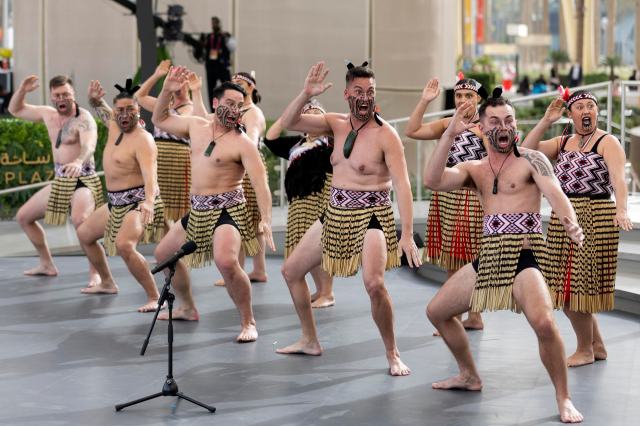
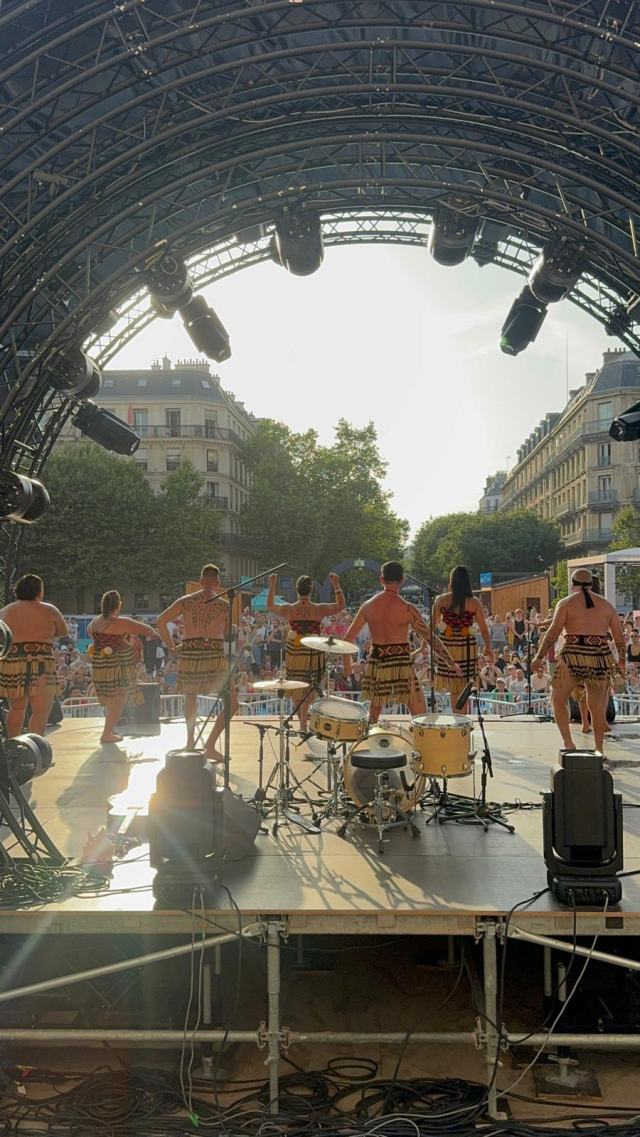
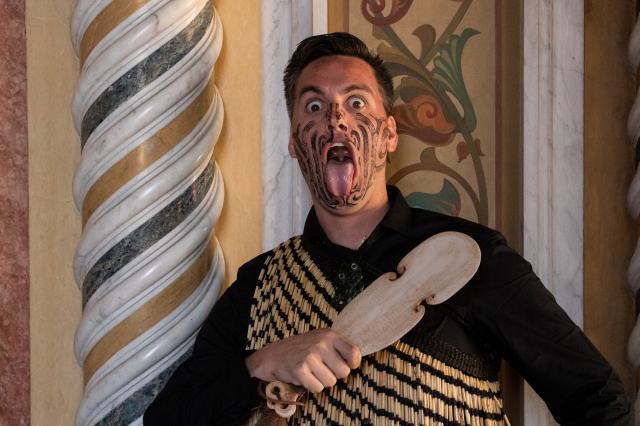
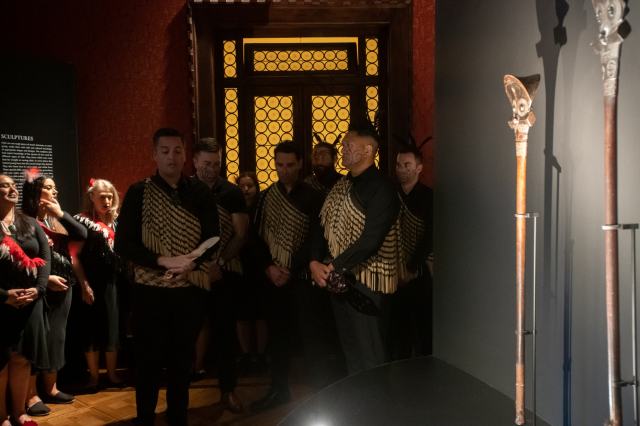
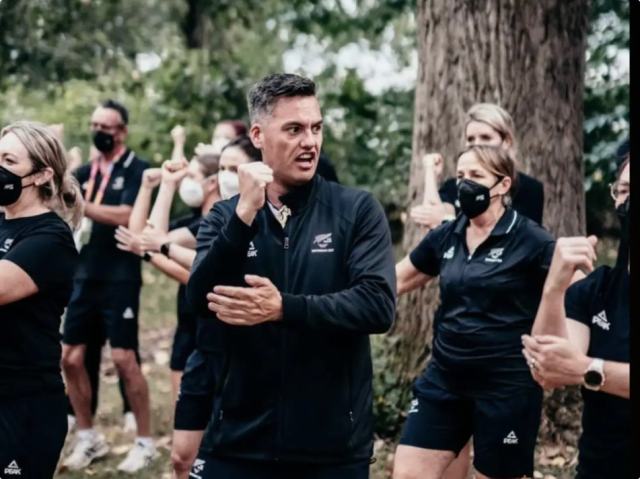
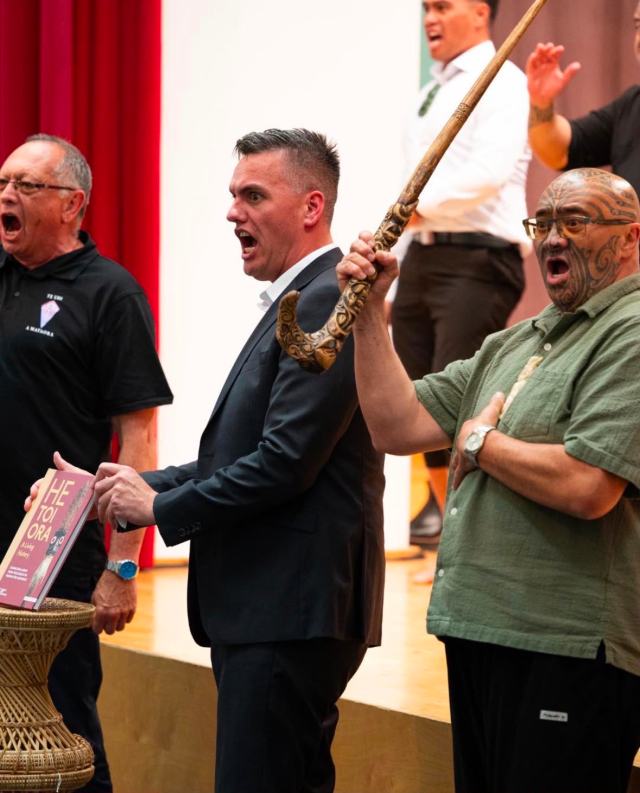
A haka workshop puts your whole room on its feet. We perform first, talk and engage, then teach your team the words, the actions and the meaning — and finish with everyone performing it together.
Workshops run 45 to 60 minutes, or longer where you want the team to hold on to more of it. No experience is needed, nobody is singled out, and nobody performs alone. It works as a conference opener, a mid-afternoon energiser, an away-day session or a team-building activity.
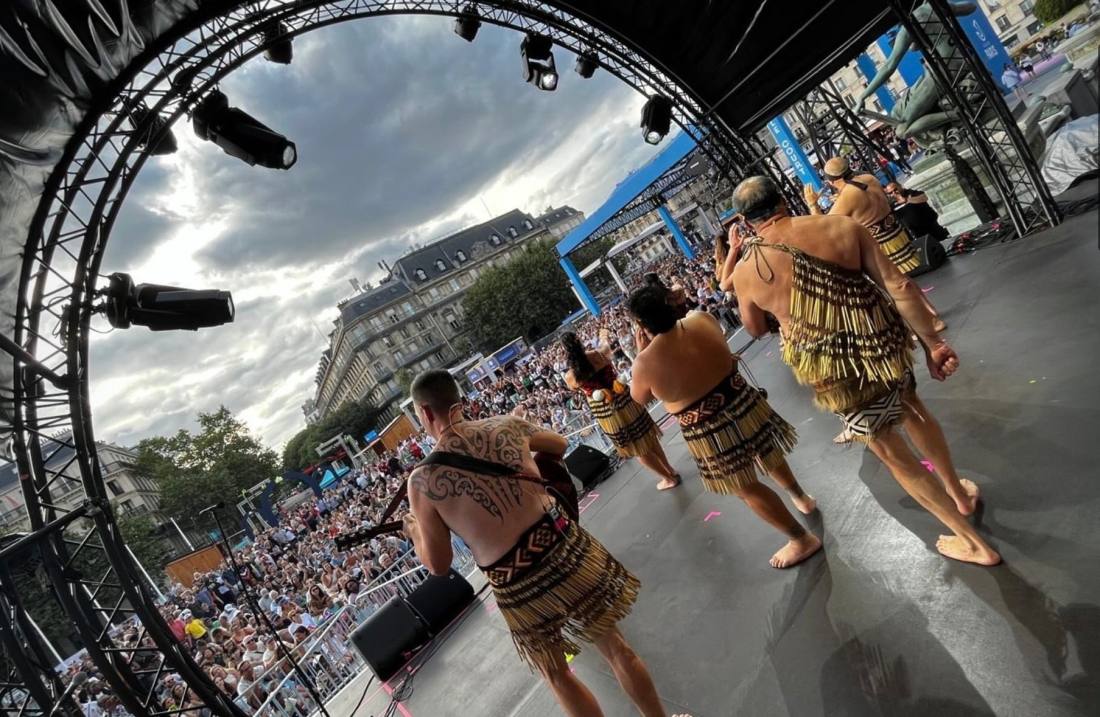
What your team actually learns
A haka is built from a small number of things done precisely, and each of them carries meaning that transfers directly into how a team works: the stance, the breath, the voice, the words and unity. Our seminar is based on our four-part framework, grounded in Māori concepts — wero, the challenge; kotahitanga, unity; mana, prestige and pride; and whakapapa, history and legacy.
The stance and the breath
Where the power comes from. A haka is held from the ground up, and the breath is what carries the voice across a room without amplification.
The kupu (words), with meaning
The words, and what they mean. The words give context, depth and meaning to what we are presenting.
Our framework
Wero
the challenge
The haka is a form of challenge; you are asked to meet it head on, to take up the challenge and be part of the team. In its original context, the wero is how a visitor’s intent is tested. In a haka seminar, it is the threshold.
Kotahitanga
unity
Kotahitanga is about unity: of thought, of purpose and of intention. In a haka seminar it is the physical unity of everyone holding the beat of the haka — a single heartbeat, heard audibly through the collective stomping of the foot, the takahi.
Mana
prestige and pride
Mana represents influence, authority, prestige and effectiveness. Standing together as a team in one beat, one shared purpose, is a powerful image. Strength and power in haka come from your voice and your presence — how you stand and how you deliver. Hā, your breath, linked to your infinite self. Kā, to ignite that breath. Every person has their own authority and prestige they bring into the room. We ask you to bring that into your voice and your stance, and in doing so to uplift the prestige of the haka.
Whakapapa
history and legacy
Whakapapa is the term for genealogy, but its literal meaning is to lay a flat surface upon another. It recognises that we are a link in a chain that goes back generations and will continue into the future. In the seminar we recognise each person’s history and story, and ask you to draw on your own inner strength. While haka is a Māori expression grounded in custom and history, the ability to draw on your inner strength and work towards a shared goal grounded in purpose is universal.
Why it works as a conference energiser
It brings culture, context, theme and energy together in a way that connects participants and gets them moving. It lets participants feel something and make noise, and it leaves a message behind rather than just a mood.
It is used most often to open a conference, to restart an afternoon, or to bring a team back together after a restructure. The common thread is a moment that requires a different lens — something people will still be talking about at dinner.
How will my executives respond to this?
It is the question every organiser asks, so here is the direct answer. Everyone stands, everyone learns the same thing, and everyone presents together. Nobody is singled out and nobody performs alone. The senior person going first is the whole point — it is what gives the rest of the room permission to commit.
We have run this for boards, operations teams, sales floors and conference rooms of several hundred. We have noticed that the people who arrive most reserved are reliably the ones who commit hardest, once they understand how it aligns with what they are there to do.
Everything we teach is taught with context — what the words mean, where the haka comes from, and why it is performed. That is what makes it memorable. If you want the background first, read our guide to what a haka is.
The practical detail
| Duration | 45 to 60 minutes as standard, and longer where you want the team to hold on to more of the haka. |
|---|---|
| Group size | From a single leadership team up to a full conference room. |
| Space needed | Room for everyone to stand with arms extended and take a pace forward. A cleared conference floor, a ballroom or a large studio all work. |
| Indoor or outdoor | Both. Outdoors needs a firm, level surface and shelter from high wind for the vocals to carry. |
| What we bring | Kaihaka (haka performers), all instruction, the history and context, cultural competence, and any taonga (treasured objects) used in the session. |
| What the venue provides | The cleared space, a microphone or PA for larger rooms, and a changing area for the performers. |
| Where we work | London and across the UK as standard; Europe and worldwide by arrangement. |
Questions we are asked most
What actually happens in a haka workshop?
We perform first, so the room sees what it is being asked to do. Then we teach it alongside our framework — the stance, the breath, the actions, the words and what they mean — and finish with everyone performing it together. Most rooms are standing within the first ten minutes.
How long does it run?
Full seminars are forty-five to sixty minutes as standard, and longer where the day allows it. Under forty-five minutes you get the energy but not the understanding, and the understanding is the part people keep. Shorter sessions work as conference energisers, around twenty minutes, where the energy and the impact are what is wanted.
How many people can take part?
From a team of twelve to a conference hall of several hundred. Depending on the size of the team we provide the appropriate number of kaihaka, so that every part of the room has someone to follow rather than a distant figure on a stage.
What kinds of events suit it?
Conference openings, away days, team offsites, sales kick-offs, the graveyard slot after lunch, and the session before an evening dinner. It works wherever a room needs to arrive in the same place at the same time.
Does anyone have to perform on their own?
No. Nobody is singled out and nobody performs alone. A haka is done together — that is the whole point of it — and the room learns it as one group.
Is it suitable for a mixed group?
Yes. Haka is not a fitness test. There is a version of the stance for every body, everyone can say the words, and we have taught rooms spanning graduates to board members in the same timeframe.
What do we need to provide?
Floor space where people can stand with their arms out, and somewhere for our kaihaka to change and prepare. No stage, no sound system, no pre-work for your team. For a large conference we would require a PA system with a microphone.
Is it appropriate for our team to learn a haka?
Yes, when it is taught by Māori and taught properly. We will discuss your requirements and what the purpose of your event is, so we can gauge and decide whether haka is appropriate. We welcome a discussion where haka is presented and engaged with by participants in the way we understand it to be.
Can we use the haka again afterwards?
It is always best to talk to us first. Its use comes down to considerations including context, use and purpose.
Talk to us about your event
Tell us the date, the room, roughly how many people and what the moment is for. We will come back with a written proposal.
Haka International
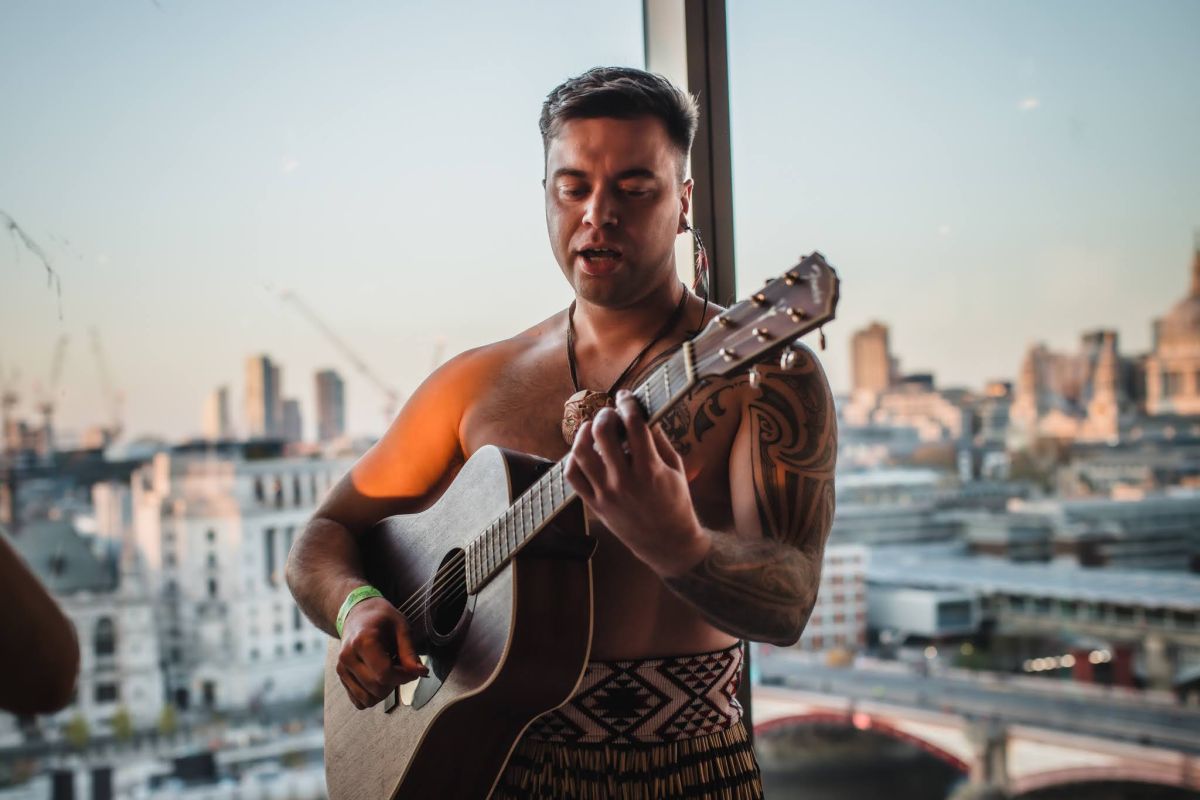
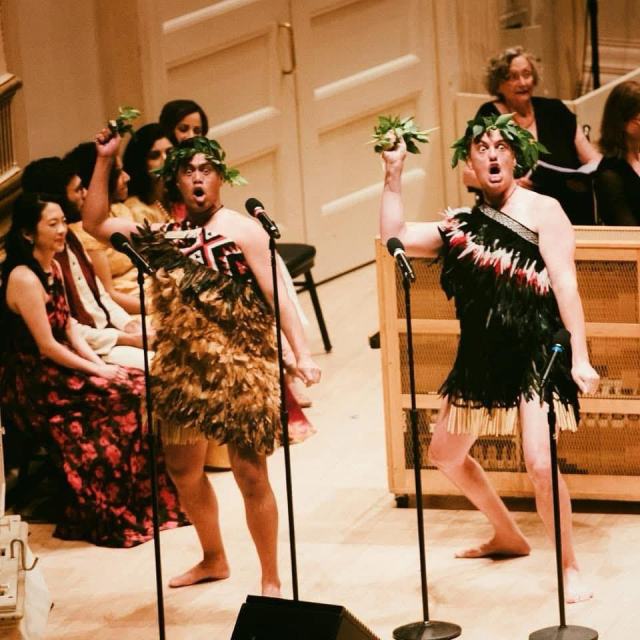
Māori kaihaka living in London. Haka performances, workshops and leadership programmes, led and taught by Māori, across the UK, Europe and worldwide.
Haka International is a trading name of Māori Consulting Limited, a company registered in England and Wales, company number 16605852.
 Haka International